

 Türkçe
 English
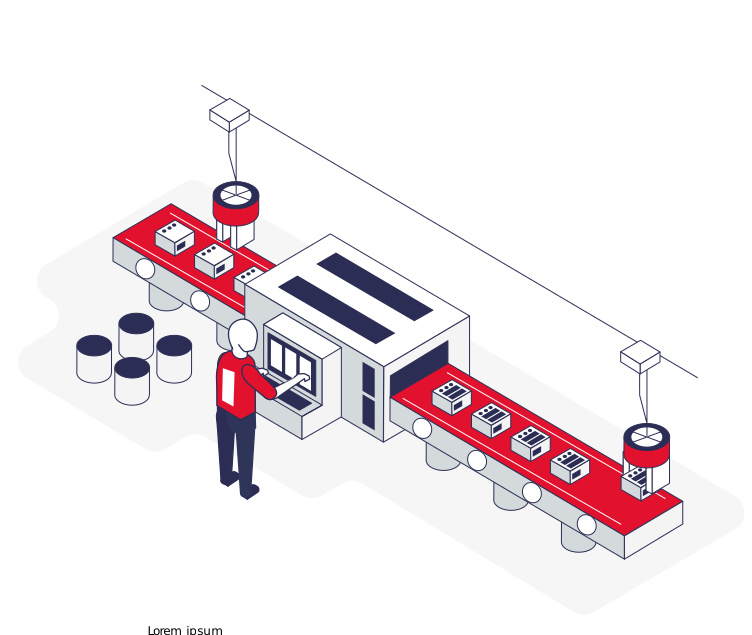
The chemical industry is a sector characterized by high competition and strict regulations. Every step, from raw material procurement and production processes to laboratory analysis and logistics operations, must be managed flawlessly. In this context, Enterprise Resource Planning (ERP) systems provide efficiency, transparency, and sustainability to businesses in the chemical sector.
The Importance of ERP in the Chemical Industry
In the chemical industry, formulation management, microbiological analyses, stability tests, and quality control processes are of paramount importance. Furthermore, regulatory compliance, traceability, and safety criteria are always prioritized. ERP systems integrate all these processes into a single platform, providing end-to-end control from production to logistics.
Digital Transformation in the Chemical Industry with ERP Modules
Material Requirements Planning Management
Accurate raw material planning plays a critical role in chemical production. The material demand planning module accurately calculates needs using historical production data and forecasting algorithms, preventing excess inventory or raw material shortages.
Tender Management
Digitizing tender processes with suppliers increases cost control and transparency. Tender collection, evaluation, and contract processes can be managed from a single point via an ERP system.
Warehouse Management
The chemical industry contains substances that are hazardous and require special storage conditions. The warehouse management module ensures that materials are stored under appropriate conditions by monitoring temperature, humidity, and safety standards.
Production Management
One of the most important modules of an ERP system is production management. In the chemical industry, formulation-based productions proceed flawlessly through digital tracking of process steps. Efficiency in the production line increases, and losses are minimized.
Microbiology Analysis Management
Regular microbiological analyses are necessary for product safety. With ERP integration, laboratory results are recorded and quality reports are automatically generated.
Quality Control
In the chemical industry, customer satisfaction is ensured through quality assurance. The quality control module systematically monitors the results from product tests and quickly identifies defective products.
Logistics Management Module
The transportation of hazardous chemicals is subject to special regulations. The logistics module optimizes transportation plans, ensuring both legal compliance and cost reduction.
Reporting and Analysis
Data-driven decision-making is critical in the chemical industry. The reporting and analysis module visualizes production, sales, and quality data, providing management with strategic insights.
Master Production Plan (MPS)
The MPS module is used to create production plans on a monthly or annual basis. This enables capacity planning, shift management, and a balanced distribution of production resources.
Procurement Management
Integrating supply processes into an ERP system enables monitoring supplier performance and provides cost advantages. In the chemical industry, automated purchasing processes can be implemented for critical raw materials.
Inventory Management
In the chemical industry, improper inventory management leads to significant costs. The ERP's inventory management module simplifies shelf life and batch tracking using FIFO/FEFO methods.
Formulation Management
Product recipes, raw materials used, and their proportions are recorded in the ERP system. This ensures standardization in production and reduces the error rate.
Water Systems Management
Water quality is a critical factor in chemical production. The water systems management module ensures product safety by monitoring process water analyses.
Stability Analysis Management
Stability tests are conducted to determine the shelf life of products. With ERP integration, this data is regularly recorded, speeding up the process of bringing products to market.
Inventory Management Module
All equipment, consumables, and raw material assets can be tracked through the ERP system. This optimizes inventory costs.
Demand and Support Management
Requests from employees or customers are tracked through the system. This speeds up support processes and ensures transparency.
SMS Management
The SMS module integrated with the ERP system makes it easy to send informational and reminder messages to employees or customers. It offers a significant advantage, especially for urgent notifications.
ERP solutions for the chemical industry encompass not only production processes but also quality, safety, and logistics management. With Centra ERP solutions, companies gain a competitive advantage, digitize their operations, and implement a sustainable growth strategy.
