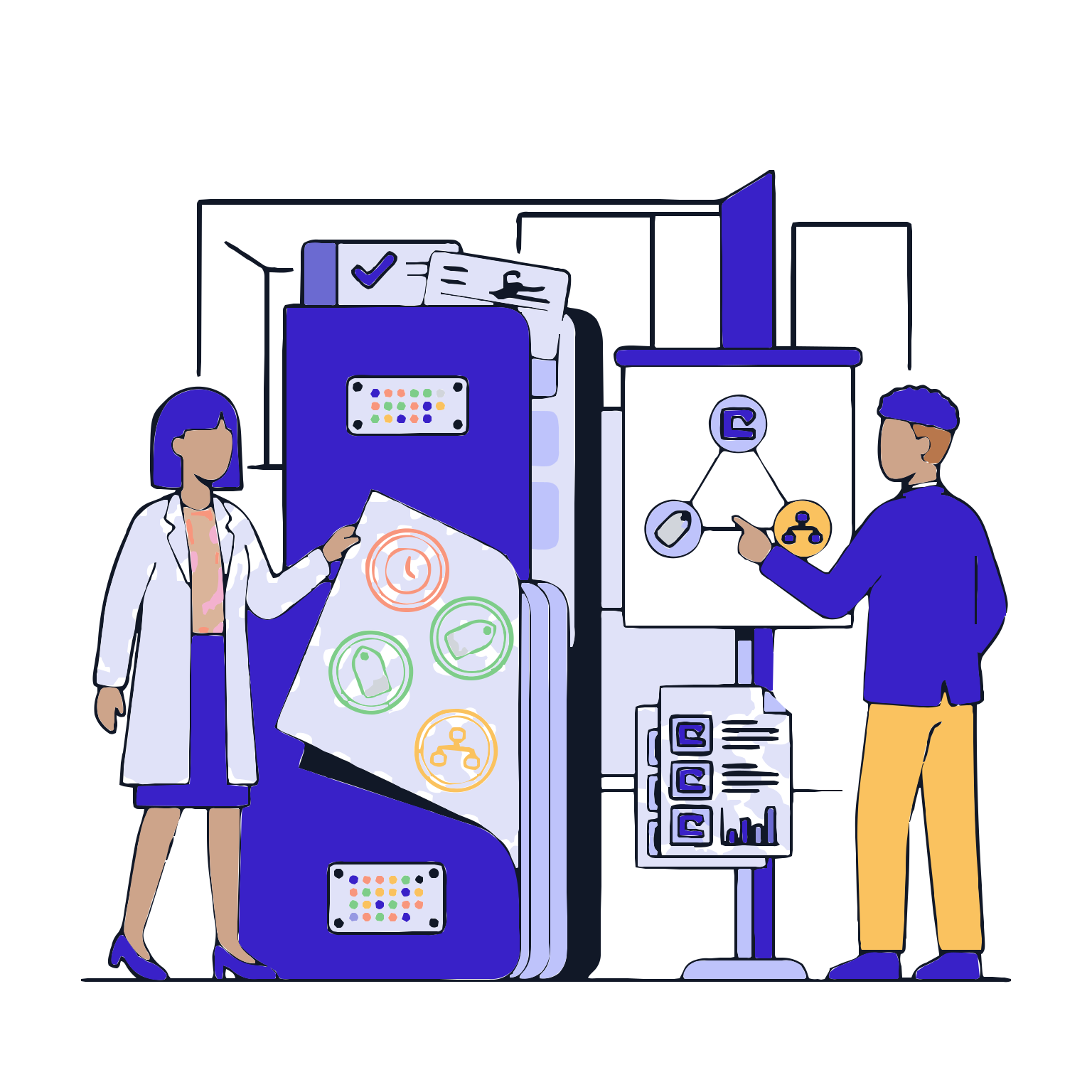
Equipment Records and Status Management

Performing the same step correctly is insufficient; the step must be performed using the correct equipment in the correct condition and under the correct conditions. The Equipment Management and Status module integrates the equipment used in the batch into the natural part of the production record. Equipment used in which location, what inspections were conducted before use, and what information was recorded during use—all are recorded in a manner that is traceable and auditable.

With this module, equipment-related risks become visible during production: incorrect equipment selection, improper conditions, missing inspections, or incorrect usage scenarios are all captured. Safer operations for production; stronger evidence for quality; and more transparent tracking for management are provided.

Request a Demo

Equipment Records and Status Management
Equipment Records and Status Management links equipment to batches and steps, manages equipment statuses, and collects pre-use checks and usage records. Equipment selection is verified, warnings or blocks are applied in nonconforming situations, and exception or deviation processes are triggered…
Equipment Selection and Assignment
Equipment Status
Pre-use Inspections
Usage Records
Non-conformity and Deviation Management
Traceability and Compliance Validation
Equipment Selection and Assignment

Equipment Selection and Assignment

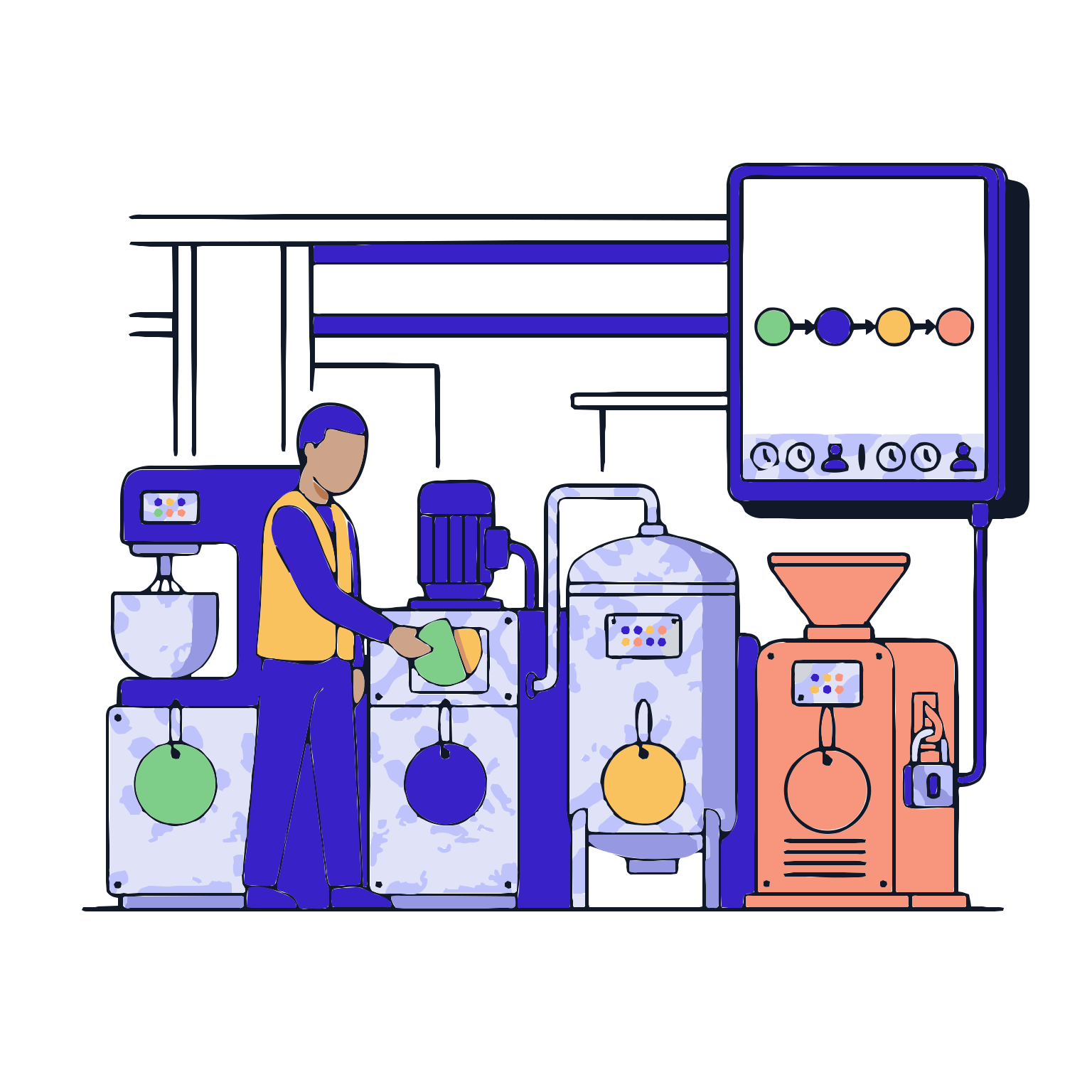
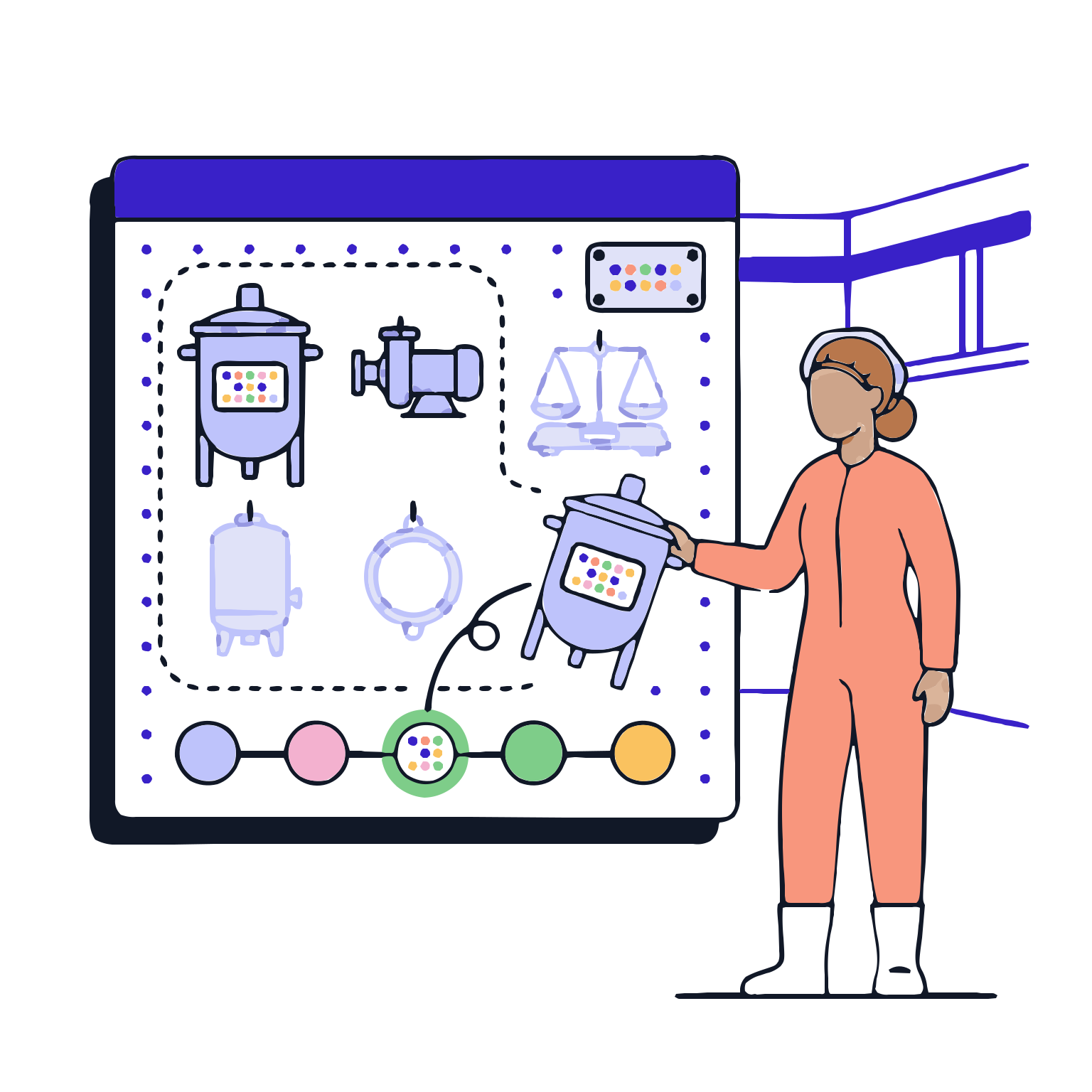
You specify which equipment will be used in batches or steps. The operator selects the correct equipment; by applying the appropriate equipment list and usage restrictions, the risk of incorrect selection is reduced.

Features

  •  Batch-based Equipment List
  •  Step-based Equipment Assignment
  •  Equipment Pooling by Suitability
  •  Equipment Matching by Identification

Batch-based Equipment List
Showing available equipment by name and facilitating preparation.

Step-based Equipment Assignment
By specifying which equipment will be used at which step, you reduce confusion on-site.

Equipment Pooling by Suitability
Preventing incorrect equipment usage by allowing only suitable equipment to be selected.

Equipment Matching by Identification
Strengthening traceability by verifying equipment compliance using identifiers such as serial numbers or tags.

Equipment Status

Equipment Status

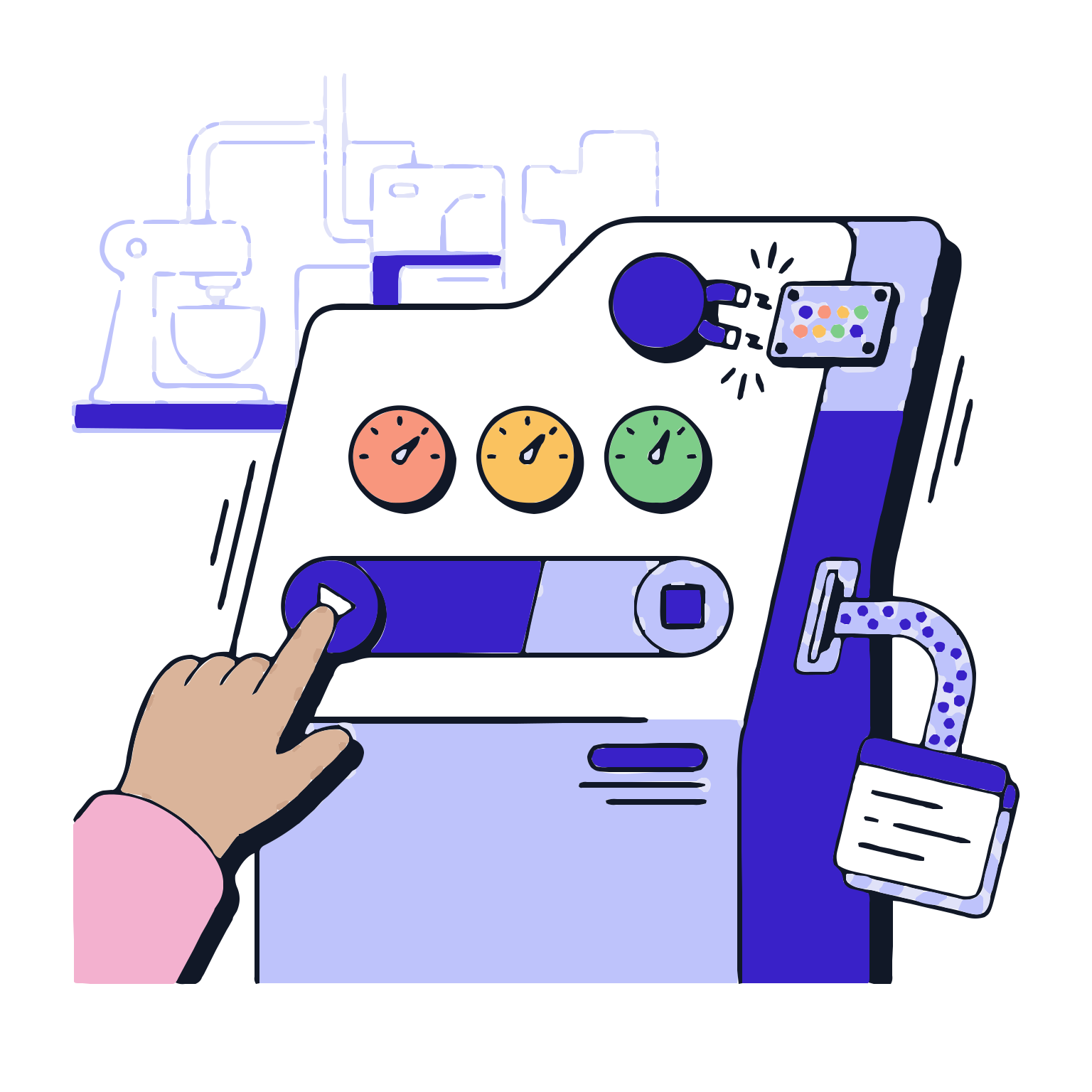
Equipment status is monitored to ensure it is ready for production. This step makes the status of the equipment visible and prevents uncontrolled progression of production in non-compliant conditions.

Features

  •  Status Definitions and Management
  •  Transition Rules
  •  Preventing usage in non-compliant conditions
  •  Status Change Records

Status Definitions and Management
Standardizing equipment control by managing statuses such as compliant, in-use, and awaiting.

Transition Rules
Preventing uncontrolled transitions by specifying under which conditions statuses change.

Preventing usage in non-compliant conditions
Preventing operation with non-compliant equipment to reduce risk.

Status Change Records
Creating evidence of audit trails by recording status changes with signatures and explanations.

Pre-use Inspections

Pre-use Inspections

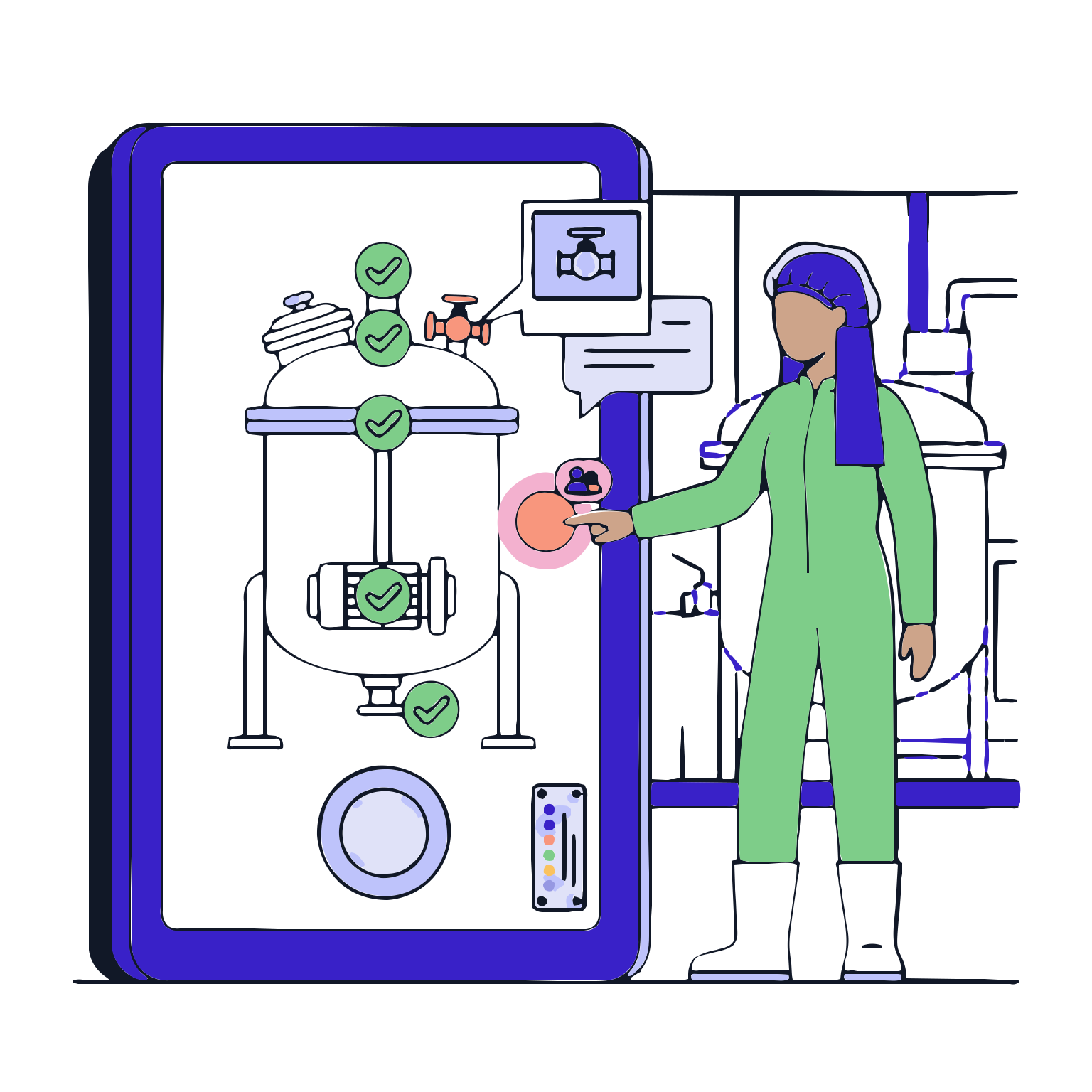
Inspections conducted before equipment use ensure that the equipment is ready for production and prevent missing inspections from entering the batch record.

Features

  •  Inspection Lists
  •  Required Inspection Areas
  •  Second Party Validation
  •  Proofs and explanations

Inspection Lists
You standardize the inspections required before equipment use into a standard list.

Required Inspection Areas
Preventing progress without completing critical inspections to reduce the risk of missing inspections.

Second Party Validation
Increasing reliability by having a second person verify high-risk inspections.

Proofs and explanations
Enhancing evidence by documenting inspections with documents and photographs when required.

Usage Records

Usage Records

Data related to equipment usage will be integrated into the electronic batch record. Questions such as which equipment was used in which step, when, and by whom will be clarified; traceability will improve.

Features

  •  Equipment-step association
  •  Usage start/end records
  •  Usage parameter records
  •  Automatic data collection support

Equipment-step association
Enhance traceability by associating equipment with the relevant step and batch.

Usage start/end records
Create a clear time interval for equipment usage with timestamped records.

Usage parameter records
Strengthen the compliance audit trail by recording critical values related to the equipment usage.

Automatic data collection support
Reduce manual errors and improve record consistency by collecting data from the equipment under appropriate conditions.

Non-conformity and Deviation Management

Non-conformity and Deviation Management

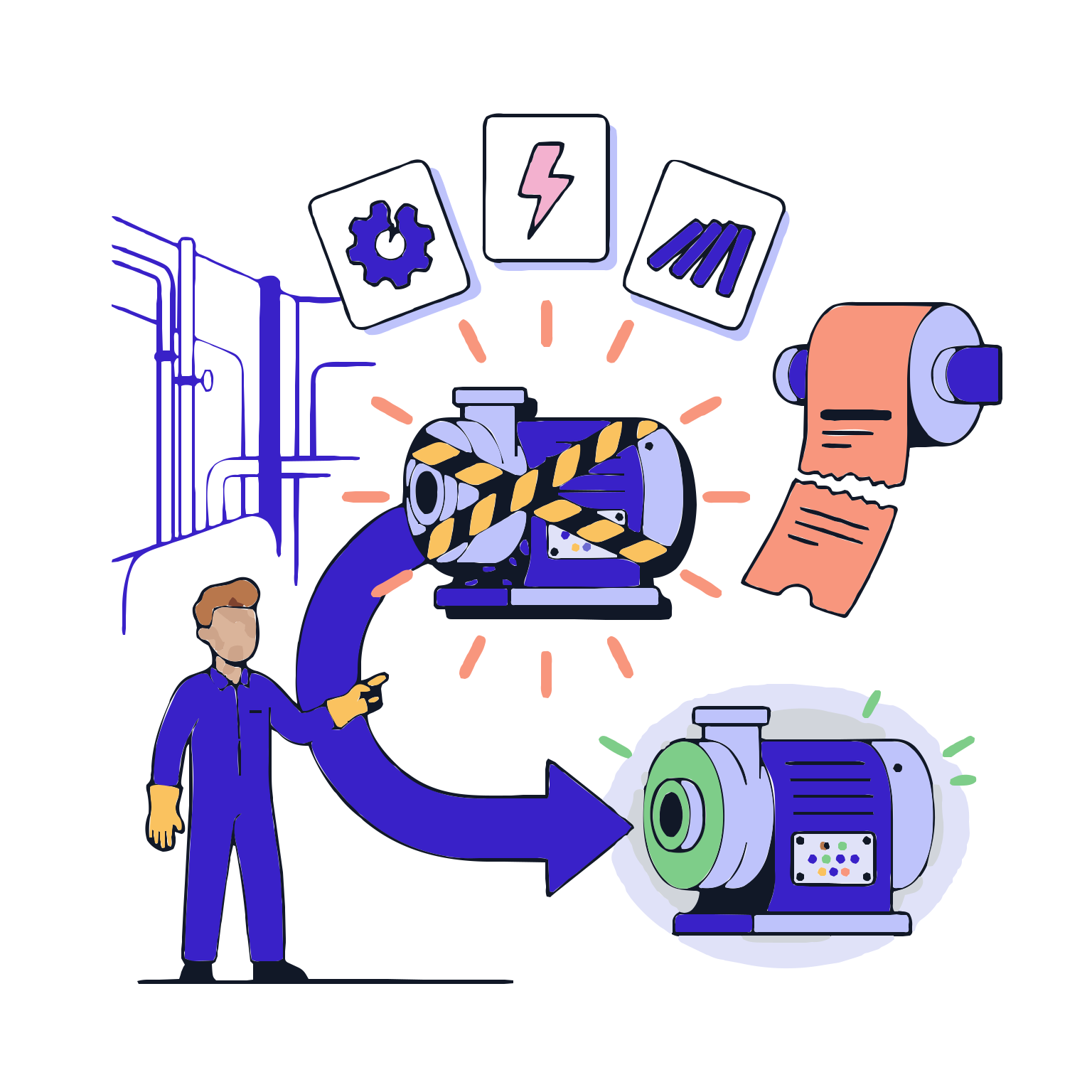
Improper equipment usage can increase the risk of a batch. This stage includes mechanisms for issuing warnings and suspensions, collecting reasons, and initiating exception or deviation procedures when necessary.

Features

  •  Issue non-conformity warnings
  •  Suspend and redirect usage
  •  Captures abnormal flow events to maintain visibility and strengthen control
  •  Initiate exception/deviation records

Issue non-conformity warnings
Alert and prevent uncontrolled progress by clearly identifying risky situations.

Suspend and redirect usage
Stop steps in critical situations and redirect the operator to the correct actions.

Captures abnormal flow events to maintain visibility and strengthen control
Speed up analysis by collecting 'What happened?', 'Why?', 'What was affected?' questions.

Initiate exception/deviation records
Record and traceability of processes in policy-driven situations to make them traceable.

Traceability and Compliance Validation

Traceability and Compliance Validation

Equipment usage is a critical component in the audit trail: 'Which equipment was used in which batch under which conditions?'. This stage enhances the traceability of equipment records and creates a robust audit trail.

Features

  •  Equipment usage history
  •  Batch-specific equipment reports
  •  Visibility of the relationship between equipment, batch, and step
  •  Audit-Ready Evidence Set

Equipment usage history
Enhance traceability by clearly showing when the equipment was used in the batch.

Batch-specific equipment reports
Create reports to simplify monitoring of all equipment used in the batch with relevant information.

Visibility of the relationship between equipment, batch, and step
Facilitate quick troubleshooting and analysis by showing equipment connections transparently.

Audit-Ready Evidence Set
Create a strong audit trail package with checklists, reasons, validations, and timestamps.