Corrective and Preventive Actions

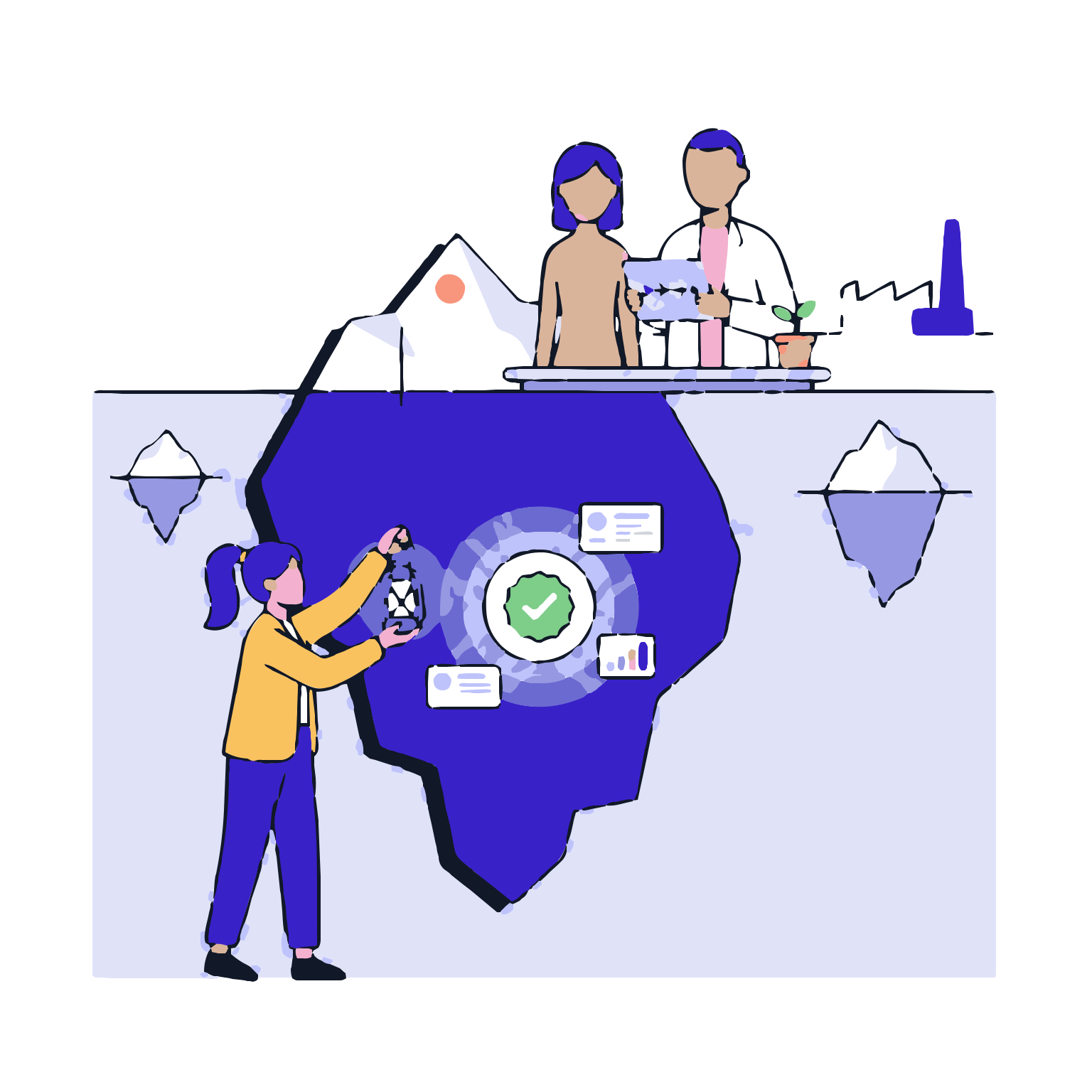
Addressing a deviation does not solve the issue. True quality begins when the root cause is identified and repeated occurrences are prevented. The Corrective and Preventive Actions module systematically addresses the root causes of deviations, actions are planned, responsibilities are assigned, evidence is gathered, and the closure is controlled under audit trail.

With this module, instead of a quick fix, a lasting solution emerges. Production and quality teams move forward on the same record; actions are visible and tracked; delays are avoided; the required evidence set is completed before the process closes. Result: recurring issues decrease, process discipline strengthens, and a traceable improvement history is established.

Request a Demo

Corrective and Preventive Actions
Corrective and Preventive Actions manages actions triggered by deviation and exception records. It standardizes root cause analysis, action planning, assignment of responsibility and due dates, verification checks, effectiveness assessments and closure steps. The entire process is made traceable…
Start and Scope
Root Cause Analysis
Action Plan
Responsibility and Traceability
Validation and Execution
Closure and Audit Preparation
Start and Scope

Start and Scope

Corrective and Preventive Action records can be triggered by deviations, exceptions, or recurring risks. At this stage, the scope is defined: what problem is addressed, what is the goal, and which areas are affected.

Features

  •  Association with Deviation/Exception
  •  Scope and Goal Definition
  •  Identification of Priority and Criticality
  •  Record Template and Required Fields

Association with Deviation/Exception
Context is clarified by associating the action with the relevant event, enhancing traceability.

Scope and Goal Definition
Clarifies what is being solved; reduces ambiguity and dispersion.

Identification of Priority and Criticality
Highlights critical issues; ensures actions progress at the right pace.

Record Template and Required Fields
Prevents progress with missing information; establishes record discipline.

Root Cause Analysis

Root Cause Analysis

To truly address the issue, one must identify the root cause. This stage systematically analyzes the causes of the event; real reasons are recorded instead of surface-level indicators.

Features

  •  Root Cause Areas and Structured Analysis
  •  Evidence and Data Collection
  •  Links relevant records and past events.
  •  Approval and Visibility of Analysis

Root Cause Areas and Structured Analysis
Standardizes the Root Cause approach; reduces variability in different perspectives.

Evidence and Data Collection
Data-driven analysis; moves from assumptions to evidence.

Links relevant records and past events.
Identifies recurring causes by relating similar events; speeds up their identification.

Approval and Visibility of Analysis
Demonstrates the validation of the root cause; reduces the risk of incorrect action plans.

Action Plan

Action Plan

Specific actions are planned after the root cause is identified. At this stage, corrective actions (to address the current problem) and preventive actions (to prevent recurrence) are planned; each action is clear, measurable, and traceable.

Features

  •  Identification of Corrective Actions
  •  Identification of Preventive Actions
  •  Action steps and delivery criteria.
  •  Required documentation and training needs.

Identification of Corrective Actions
Identifies steps to address the current deviation to control the issue.

Identification of Preventive Actions
Uses durable actions to maintain quality; establishes feasible closure criteria.

Action steps and delivery criteria.
Plans documentation and training for process or application changes; ensures feasible closure.

Required documentation and training needs.
Identifies required documentation and training for process or application changes.

Responsibility and Traceability

Responsibility and Traceability

Action plans are valuable not just in writing but also in tracking. This stage makes the responsibilities, target dates, progress statuses, and delays visible; it simplifies process management.

Features

  •  Assignment of Responsibilities
  •  Management of Target Dates and Terms
  •  Steps for Tracking Progress
  •  Visibility of Notifications and Delays

Assignment of Responsibilities
It enables associating each action with a clear individual or role, reducing ‘float’ work.

Management of Target Dates and Terms
It makes progress measurable, controlling delays.

Steps for Tracking Progress
It ensures visibility of where the action is in the process.

Visibility of Notifications and Delays
It tracks missed actions, providing a faster response.

Validation and Execution

Validation and Execution

After an action is completed, the question 'Did it work?' must be answered. At this stage, validation checks are performed and the effectiveness of the action is evaluated; records are prepared for closure.

Features

  •  Proof of Completion and Validation
  •  Execution Assessment
  •  Additional Control and Surveillance Plan
  •  Trigger New Actions if Necessary

Proof of Completion and Validation
Collect evidence that the action was applied; ensures audit trail in the system.

Execution Assessment
It ensures that the closure happens; reduces the risk of repeating issues.

Additional Control and Surveillance Plan
For situations requiring specific time tracking, it records the tracking approach.

Trigger New Actions if Necessary
If not active, it starts a new action loop to maintain discipline in the system.

Closure and Audit Preparation

Closure and Audit Preparation

Closure must be complete with valid evidence and approval. This stage prevents open actions, missing evidence, or incomplete validation from closing the process; it makes the process reportable.

Features

  •  Batch Closure Checklist
  •  Approval and Signature Procedures
  •  Historical records and time stamps
  •  Ready-to-Print Audit Reports

Batch Closure Checklist
Standardizes the minimum requirements for closure; reduces the risk of missing closure.

Approval and Signature Procedures
Ensures that closure is approved by the right authorities to strengthen governance.

Historical records and time stamps
Ensures robust evidence and time tracking for accountability in the system.

Ready-to-Print Audit Reports
Reports on the activity history to simplify internal and external audit processes.