Rules and Limits

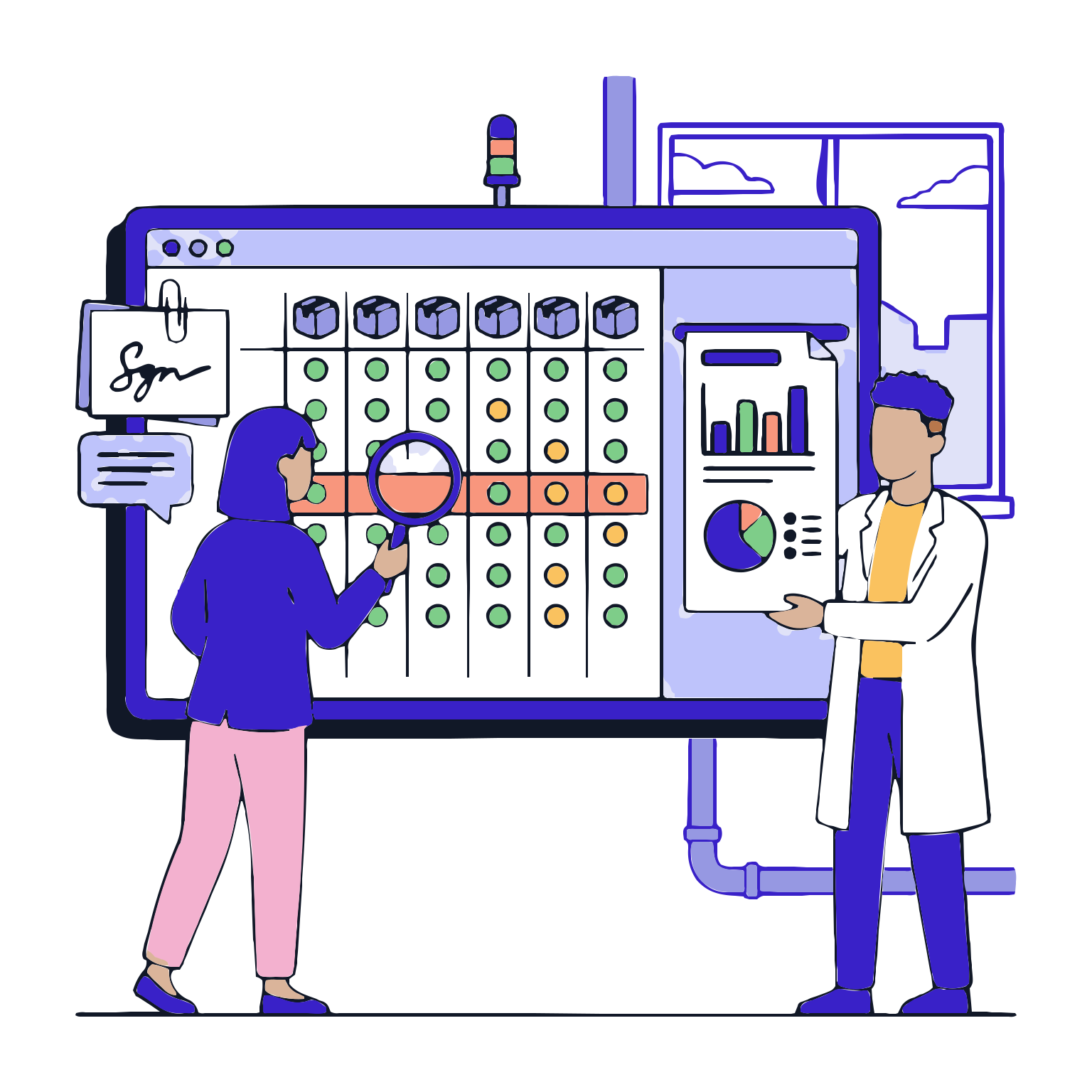
This module defines critical risks in production; often not 'incorrect production', but 'lack of timely and proper control'. The module standardizes parameters and control points in production steps; defines acceptance intervals and controls them automatically during production to bring risks to a visible level.

This module does not merely sum values; it clarifies values, catches deviations early, and triggers necessary actions. It ensures more secure and fluid operations; more consistent records for quality, faster inspections, and stronger audit preparation.

Request a Demo

Rules and Limits
Rules and Limits
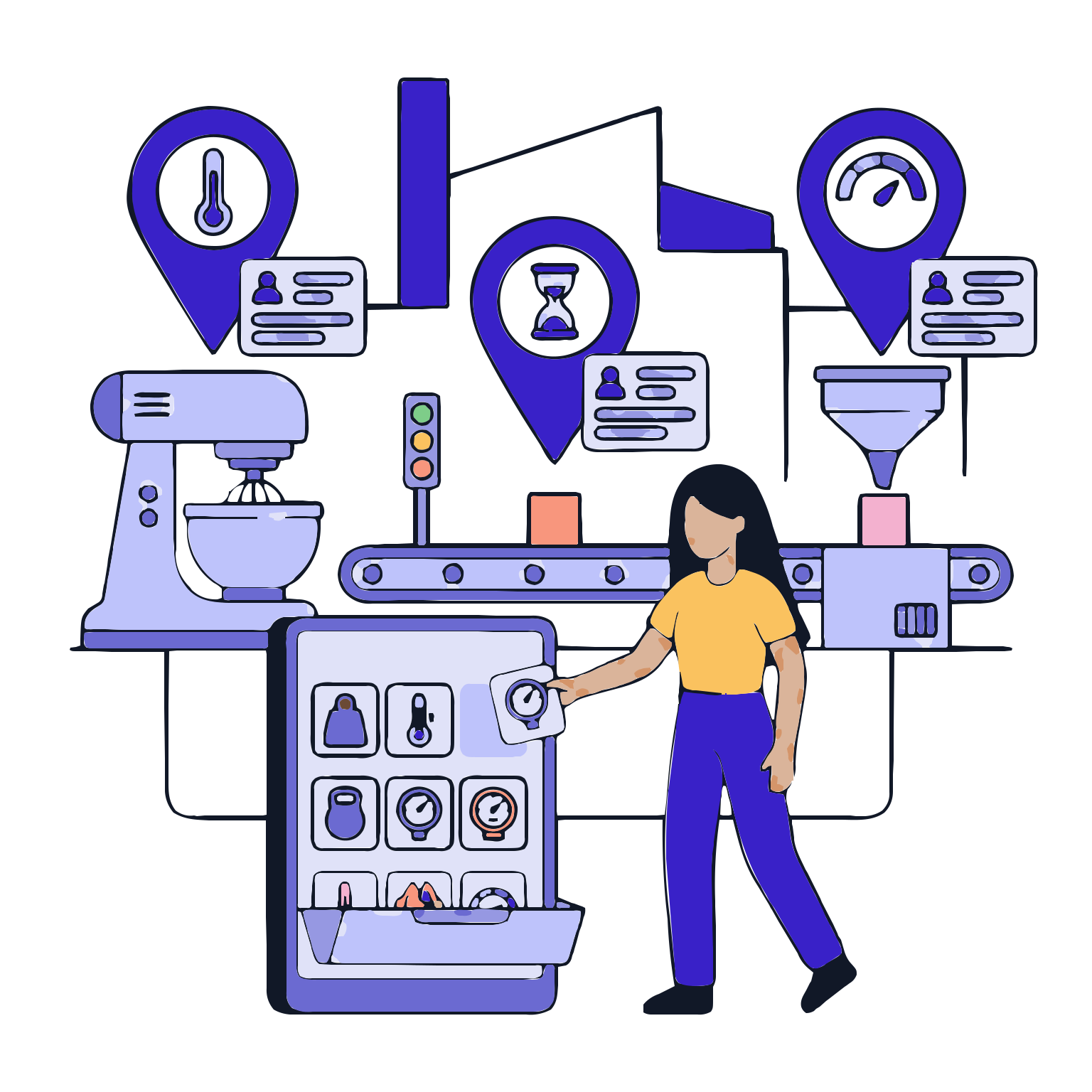
Rules and Limits; defines intervals for accepting production parameters, tolerances, control frequencies, and actions to be taken in case of deviations. Automates control runs during production; manages processes such as warning, justification, second-party verification, stopping steps, or…
Parameter and Control Point Definition
Rule for Acceptance Intervals, Tolerances, and Thresholds
Control Frequency and Sampling
Incident Actions
Exception and Deviation Triggering
Traceability and Compliance Validation
Parameter and Control Point Definition

Parameter and Control Point Definition

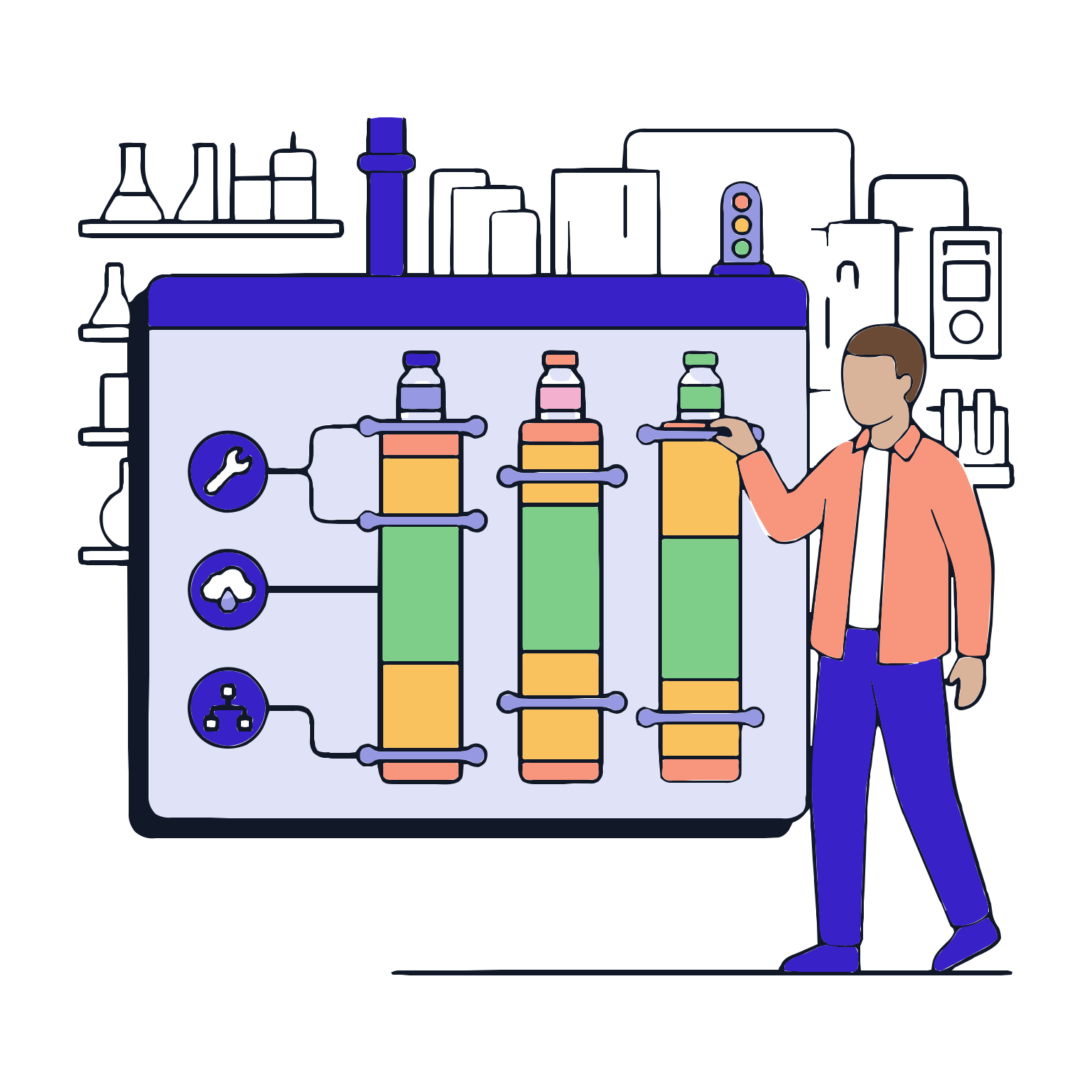
Defines which parameters to monitor and at which points during production steps. Thus, the control approach is not fixed; a 'standard control matrix' for the process emerges.

Features

  •  Parameter Catalog
  •  Step-based Control Points
  •  Standard for Unit and Data Type
  •  Parameter Responsibility Definition

Parameter Catalog
Standardizes parameters such as temperature, time, speed, weight, pressure, etc., to create a common language.

Step-based Control Points
Specifies which parameter to monitor at each step to ensure consistency.

Standard for Unit and Data Type
Defines the measurement units, decimal precision, and data format to strengthen data integrity.

Parameter Responsibility Definition
Defines who performs the control and who verifies it to establish role clarity.

Rule for Acceptance Intervals, Tolerances, and Thresholds

Rule for Acceptance Intervals, Tolerances, and Thresholds

Defines acceptance intervals, tolerances, and threshold levels. This allows the system to automatically evaluate the conformity of the input values and eliminate 'outlier comments'.

Features

  •  Acceptance Interval Definition
  •  Tolerances and threshold levels
  •  Product/Variant-based limit sets
  •  Complex condition modeling

Acceptance Interval Definition
Defines the accepted minimum and maximum values for parameters to standardize them.

Tolerances and threshold levels
Defines thresholds such as warning levels and critical levels to manage risks in a graduated manner.

Product/Variant-based limit sets
Applies different limits for the same parameter across different products or variants in a controlled manner.

Complex condition modeling
Links variable limits to rules based on environment, equipment, or step type for flexibility and control.

Control Frequency and Sampling

Control Frequency and Sampling

Defines control intervals and sampling approaches to balance production speed and quality assurance.

Features

  •  Control Interval Definition
  •  Sampling Plan
  •  Internal Control Schedule for Partitions
  •  Control Reminders

Control Interval Definition
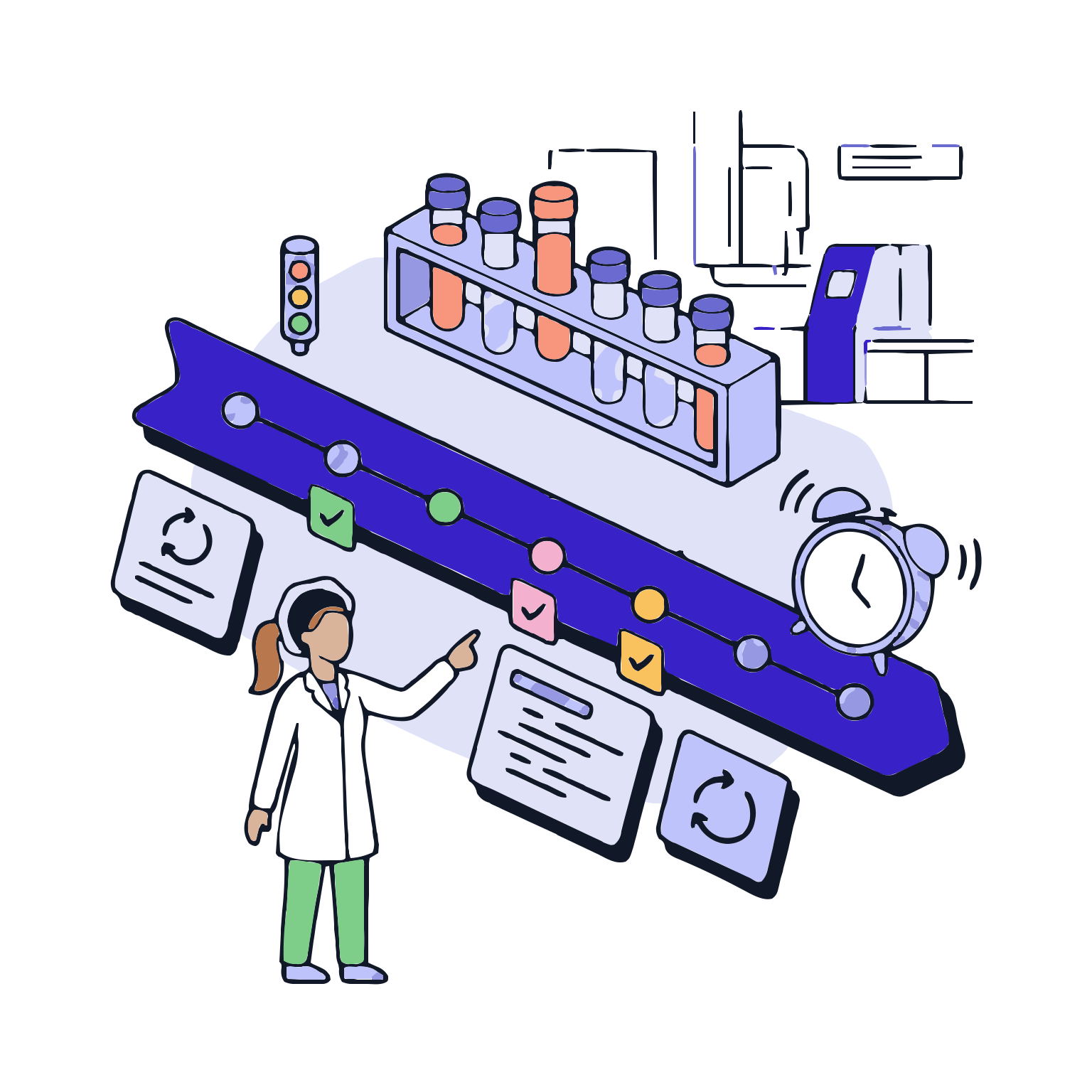
Ensure disciplined execution by determining the frequency of control steps based on each stage or every X minutes/part.

Sampling Plan
Define how many samples to take under certain conditions to establish a consistent and repeatable quality approach.

Internal Control Schedule for Partitions
Integrate the timing of controls into the process flow to make it traceable and manageable.

Control Reminders
Redirect the user for timely controls; reduce the risk of control deviations and delays.

Incident Actions

Incident Actions

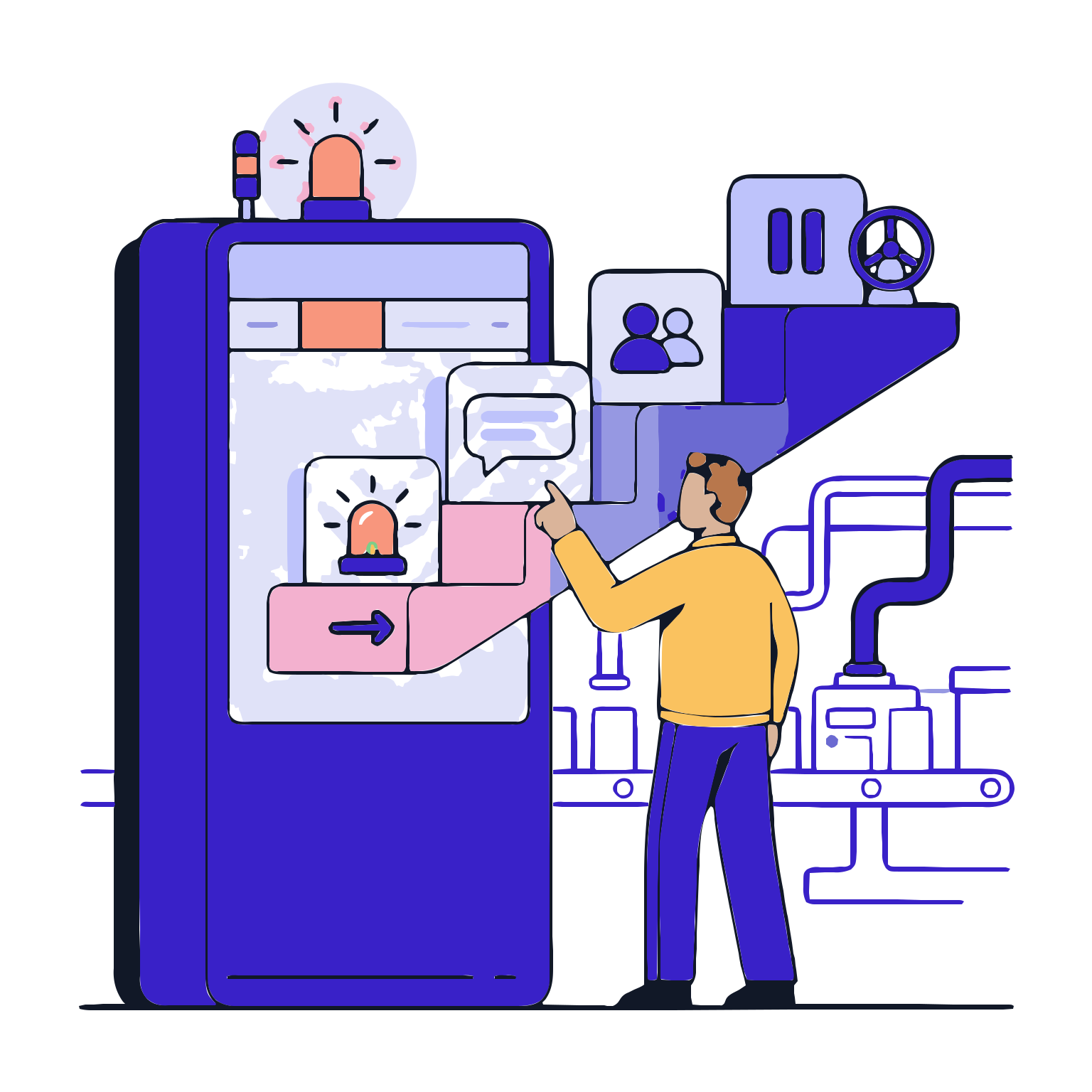
The system's behavior when a limit violation occurs is determined at this stage. The goal is to perform the correct action at the site without increasing risk or losing control.

Features

  •  Alerts and Guidance
  •  Justification Request
  •  Second Party Validation
  •  Step Suspension

Alerts and Guidance
Instantly warns the user with out-of-range values; provides clear guidance on-site for the user to take the correct action.

Justification Request
Enforces the requirement for critical incident explanations to clarify the context of the deviations and enhance the oversight of the records.

Second Party Validation
Ensures the validity of decisions in high-risk incidents through second-party control.

Step Suspension
Halts the production step to prevent the incident from spreading and the effect from growing in critical incidents.

Exception and Deviation Triggering

Exception and Deviation Triggering

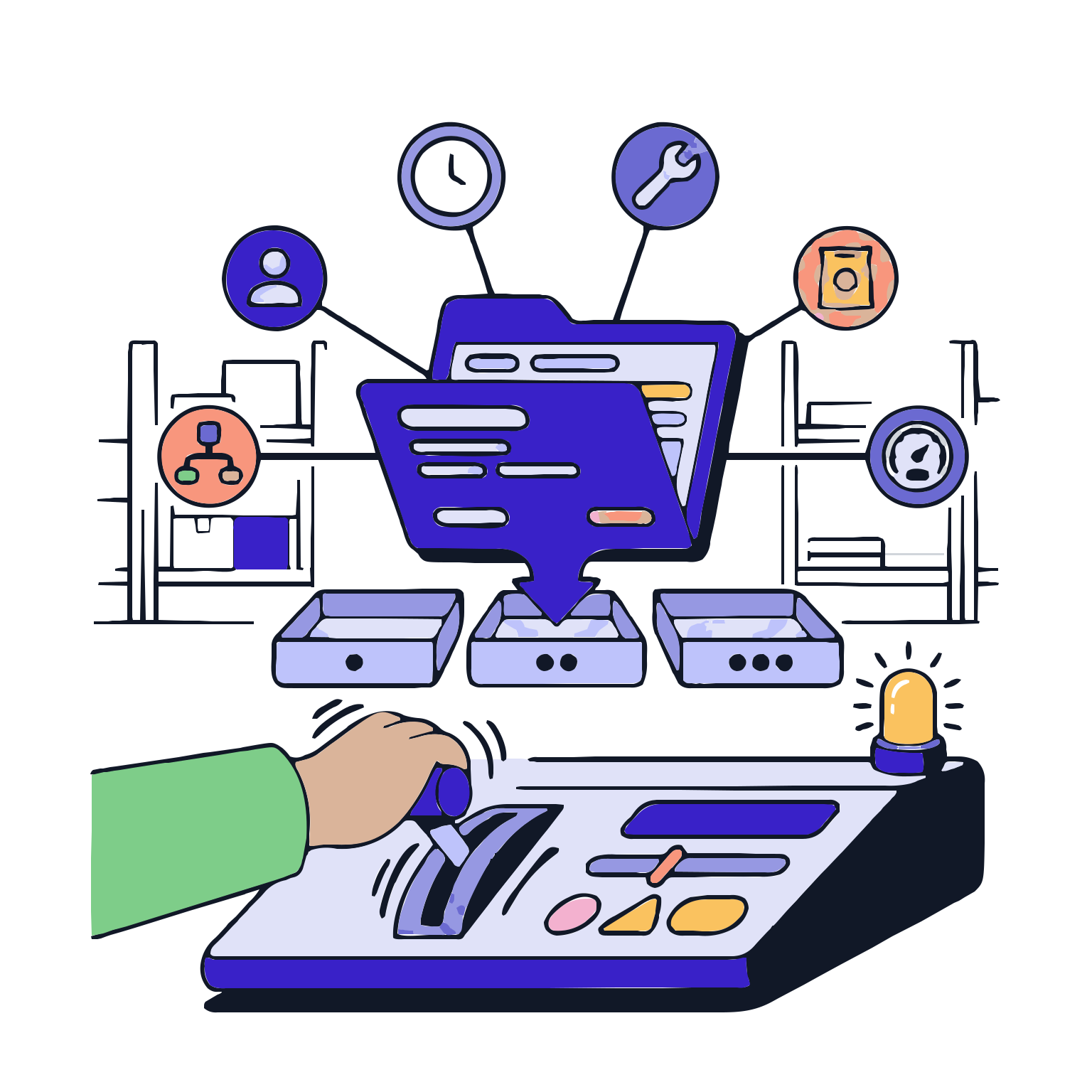
Some incidents are not just simple warnings; they require documented exceptions or deviations management. This stage automates the triggering based on the type of incident to keep the process traceable and trackable.

Features

  •  Exception triggers
  •  Initiate Deviation Initiation
  •  Classify Deviation
  •  Automatically associate with relevant records

Exception triggers
Automatically create exceptions under specific conditions to make deviations immediately visible without manual tracking.

Initiate Deviation Initiation
Automatically initiate the deviation process in critical situations to establish audit trail discipline and inspection rigor.

Classify Deviation
Classify the type and severity of deviations to support the application of appropriate actions and inspection levels.

Automatically associate with relevant records
Increase traceability and audit capabilities by automatically linking deviations to steps, users, time, equipment, materials, and parameters.

Traceability and Compliance Validation

Traceability and Compliance Validation

Critical information on how rules operate, which batches experience which deviations, and how they are managed; this stage enhances visibility and reportability of control histories.

Features

  •  Rule Application History
  •  Exceedance Records
  •  Control Evidence
  •  Reporting Outputs

Rule Application History
Visibility of where rules are implemented in the process enhances process reliability and traceability.

Exceedance Records
Time, value, and actions taken for deviations are recorded; robust and consistent evidence is provided for audits.

Control Evidence
Reasons, second-party validations, and appendices are linked to controls, clearly demonstrating their actual application.

Reporting Outputs
Performance reports on rules and limits identify weak points early and support continuous improvement.