Change Management

Production processes evolve over time; recipes are updated, control points are improved, equipment changes, and document and application details are reviewed. However, in pharmaceutical production, a change does not simply stop; the reasons for it, what it affects, who approved it, and when it was implemented must be clearly defined. The Change Management module standardizes this discipline in a digital environment.

With this module, changes do not proceed unchecked: the scope and reason are clarified, the impact assessment is conducted, risks are visible, necessary approvals are executed, and implementation plans are executed in a controlled manner. As a result, surprises on the production line decrease, production with the wrong version is reduced, quality assurance is strengthened, and a traceable history of changes is established in auditing.

Request a Demo

Change Management
Change Management
Change Management; the creation of a change request, the definition of the reason and scope, the assessment of impact and risk, the planning of necessary actions, the execution of approval processes, and the implementation in a controlled manner. Changes are associated with areas such as recipes…
Change Request
Scope and Reason
Assessment of Impact and Risk
Action and Planning
Approval and Release
Deployment and Traceability
Change Request

Change Request

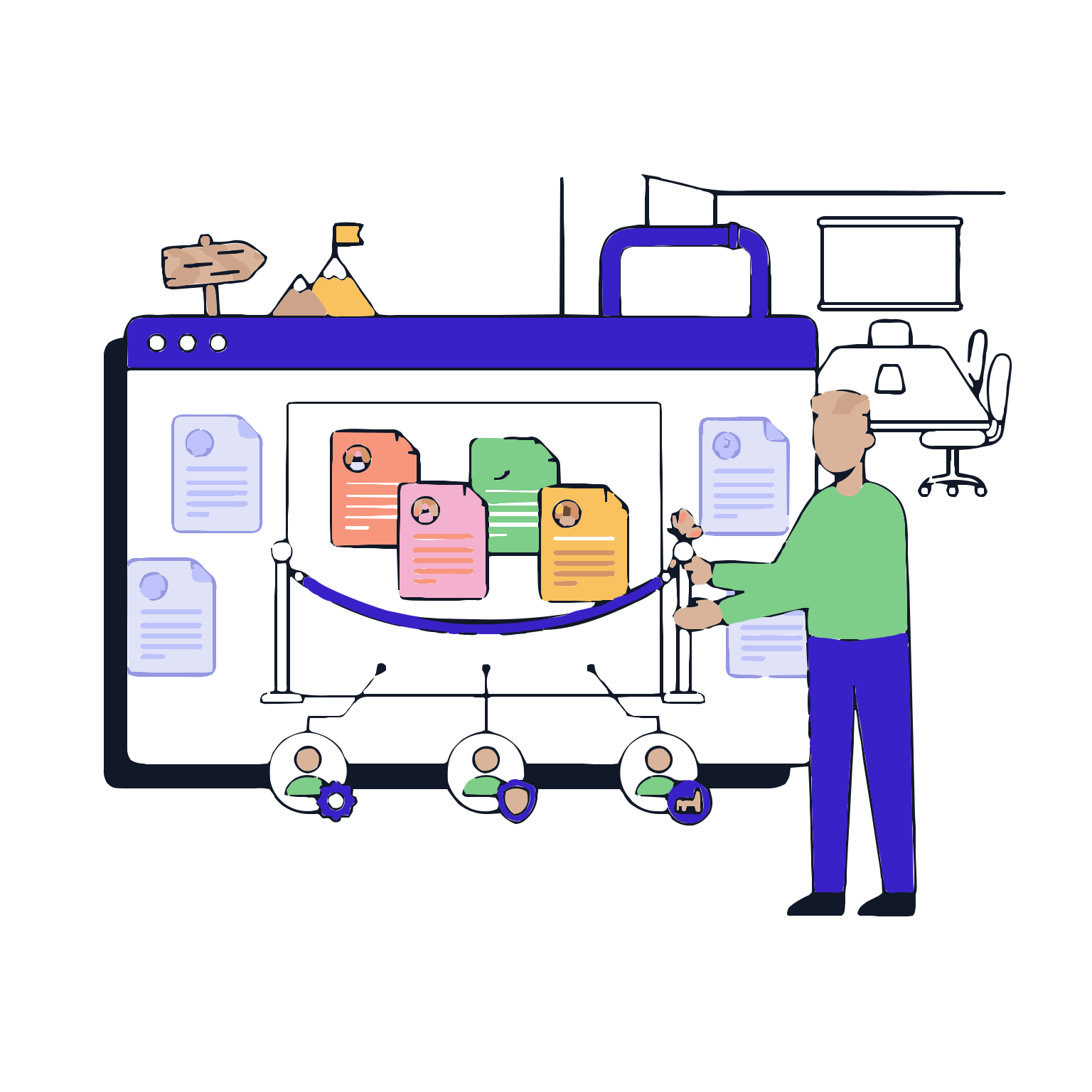
The change process begins with a registered request. At this stage, the subject of the change, what area it affects, and what changes are made are clearly defined. Thus, the change is no longer a vague statement but becomes a traceable process.

Features

  •  Change Request Creation
  •  Change Type Selection
  •  Association with relevant process/module
  •  Definition of priority and objectives

Change Request Creation
Formulate a single record to create a traceable start point by aggregating the change.

Change Type Selection
Classify the types of changes based on processes, rules, forms, equipment usage, etc. to select the appropriate management approach.

Association with relevant process/module
Define the scope of the change by associating it with the areas affected.

Definition of priority and objectives
Define the importance of the change and the intended outcome to maintain the focus.

Scope and Reason

Scope and Reason

Changes are managed with a strong reason and clear scope. At this stage, the questions 'Why is it changing, what does it cover, and what does it exclude' are clearly answered; misunderstandings and scope gaps are reduced.

Features

  •  Reason and Objective Definition
  •  Scope Limits
  •  Affected Documents and Records
  •  Identification of relevant stakeholders

Reason and Objective Definition
Establish a solid foundation for traceability in auditing by clearly defining the need behind the change.

Scope Limits
Define where the change starts and ends to prevent unchecked expansion.

Affected Documents and Records
Identify which documents, templates, or processes are affected to reduce the risk of incomplete evaluations.

Identification of relevant stakeholders
Identify who needs to provide input or approval from production, quality, engineering, etc.

Assessment of Impact and Risk

Assessment of Impact and Risk

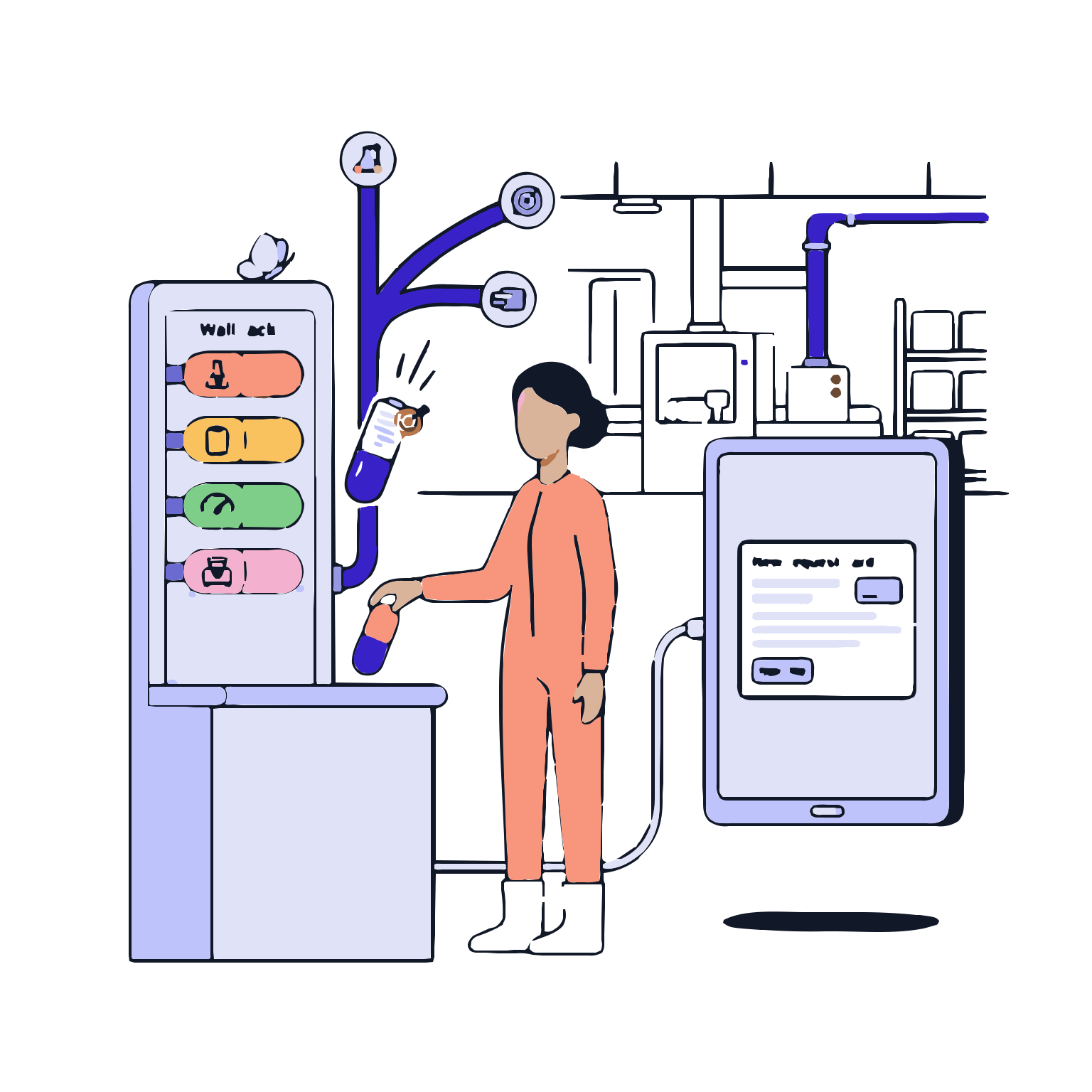
Changes in the pharmaceutical production process are managed alongside risk management. This stage evaluates the impact of the change on product quality, process safety, and operational discipline; and establishes the foundation for planning necessary controls.

Features

  •  Scope of impact assessment
  •  Determining risk level
  •  Need for validation and testing
  •  Need for training and documentation

Scope of impact assessment
Analyzes systematically how the change affected specific steps, parameters, and records.

Determining risk level
Determines the criticality level to set the appropriate validation and testing approach.

Need for validation and testing
Defines which controls need to be implemented before deployment to minimize surprises.

Need for training and documentation
Plans updates to training and documentation to improve fit on site.

Action and Planning

Action and Planning

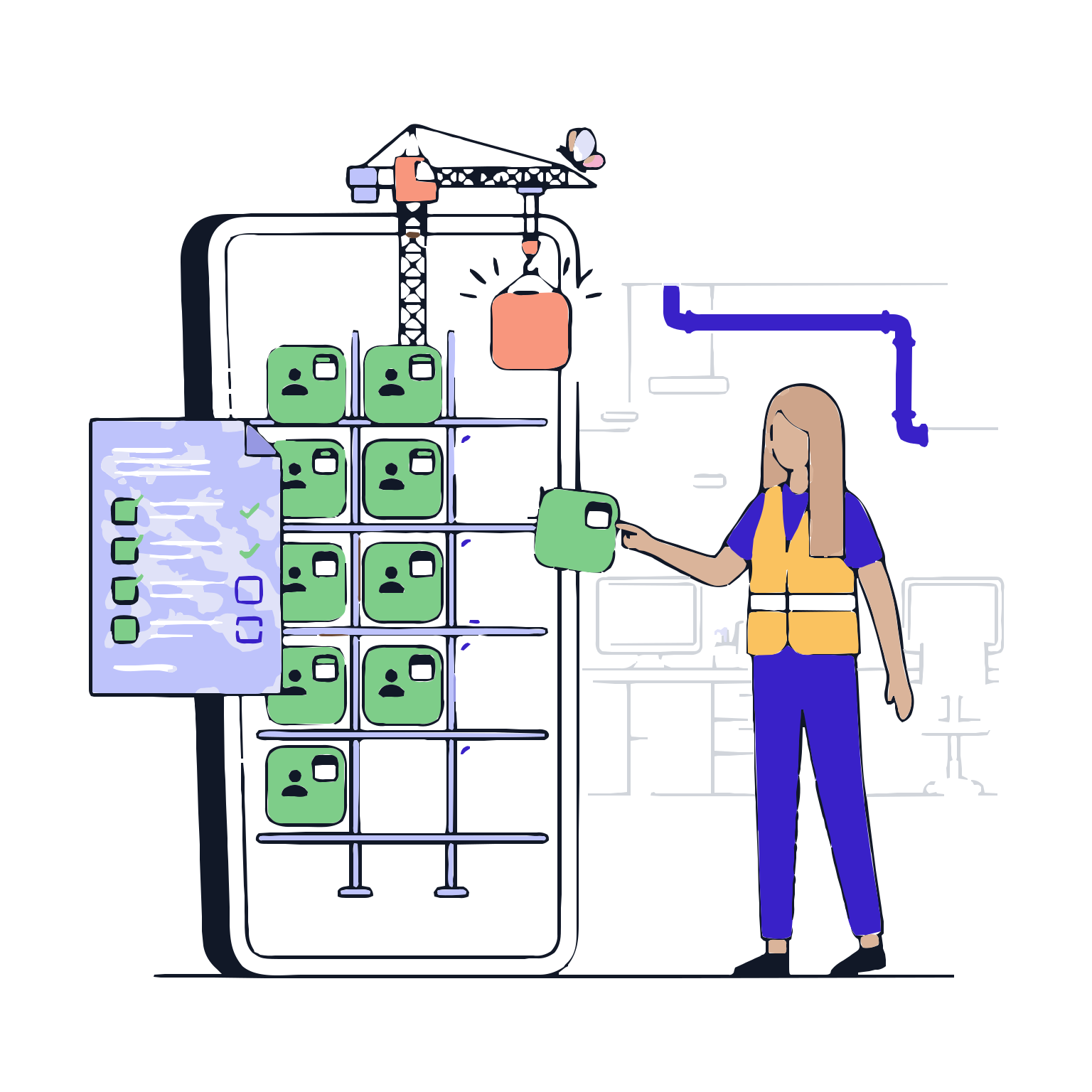
Change is not just a 'decision' but a 'plan'. This stage defines the tasks, responsible parties, target dates, and delivery criteria. This ensures the change is implemented in a controlled manner.

Features

  •  Creating the action list
  •  Assignment of Responsible Parties and Terms
  •  Setting the acceptance criteria and control list
  •  Tracking progress and delays

Creating the action list
Formulates specific steps for implementing the change, making it traceable.

Assignment of Responsible Parties and Terms
Assigns each task to a clear individual or role to reduce delays.

Setting the acceptance criteria and control list
Clarifies the definition of 'complete' to prevent ambiguous endings.

Tracking progress and delays
Makes the process visible; this facilitates management intervention.

Approval and Release

Approval and Release

Changes are not allowed to go live without the necessary approvals. This stage ensures the approval flow, dissemination of the change, and the creation of controlled new versions.

Features

  •  Flow of Approval and Authorization
  •  Validation records and signature trails
  •  Creating and publishing a new version
  •  Post-release protection

Flow of Approval and Authorization
Ensures the correct roles and permissions are in place for critical changes to strengthen governance.

Validation records and signature trails
Records who approved what in a time-stamped manner to build robust evidence in the audit trail.

Creating and publishing a new version
Publishes the change as a new version to ensure a single correct version in production.

Post-release protection
Prevents unauthorized changes to published versions to avoid confusion in production.

Deployment and Traceability

Deployment and Traceability

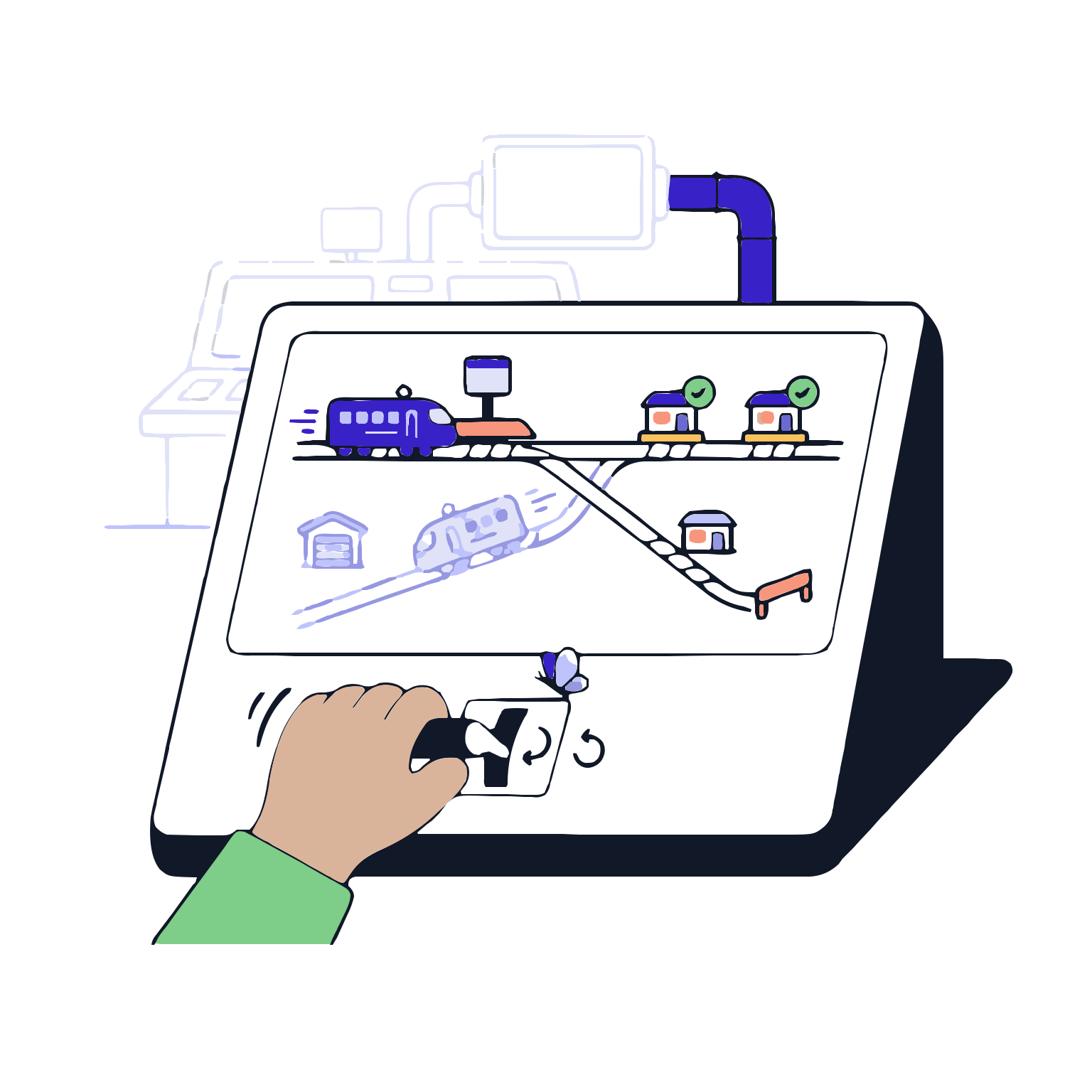
The change is planned and implemented in a controlled manner, ensuring traceability. This stage defines the transition date, scope, and application on site; and if necessary, a controlled rollback mechanism is implemented.

Features

  •  Deployment plan and transition date
  •  Scope and validity constraints
  •  Visibility of the relationship between old and new versions
  •  Rollback and archival access

Deployment plan and transition date
Determines when the new version should be available from a specific date to ensure controlled transition.

Scope and validity constraints
Defines under which product, defect, or condition the change is valid to reduce misuse risks.

Visibility of the relationship between old and new versions
Makes the differences between versions and the transition logic visible; this improves internal clarity.

Rollback and archival access
Maintains continuity with the previous version and access to historical records as needed.