

 Türkçe
 English
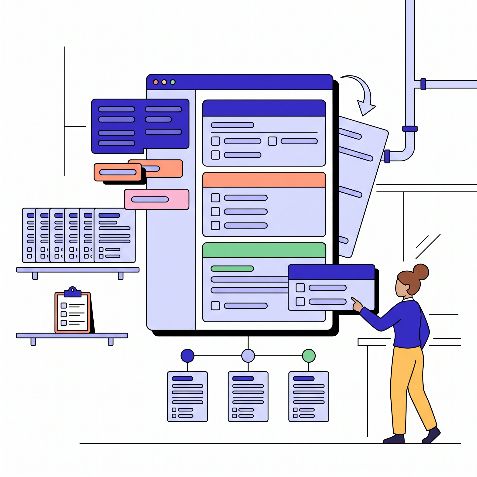
EBR (Electronic Batch Record) is a system that enables the digitization of paper forms, manual records, and physical approvals used in production processes. With EBR, production recipes, operator steps, raw material usage, process parameters, quality controls, deviations, and electronic approvals can be managed through a single digital structure.
A paperless production approach doesn't just mean reducing the use of physical documents. The main goal is to make production records more accurate, standardized, traceable, and auditable. The EBR system digitally guides the production process step by step, recording which operation was performed by whom, when, and with what data.
The Basic Structure of Paperless Production with EBR
1. Digitizing Production Recipes
The first step in a paperless production process is digitizing the recipes and master production records used in the production. The product's production steps, raw materials to be used, quantities, process parameters, equipment requirements, control points, and approval processes are defined on the EBR system.
This structure ensures that each production batch follows the same approved recipe. The risk of operators using outdated or incorrect production instructions is reduced. Changes to recipes can be managed through controlled revision processes.
2. Creating the Electronic Batch Record
Before production begins, an electronic batch record is created for the relevant product. The batch number, the product to be produced, the planned quantity, the production date, the recipe to be used, and the relevant production order are associated with the system.
Once a batch is created, all processes involved in production are recorded under this database. This allows all raw material, operator, process, quality, and approval information for a given batch to be reviewed through a single digital record upon completion of production.
3. Guiding Operators with Digital Instructions
In paperless production, operators can be shown which step to take via EBR screens. The process sequence, equipment to be used, raw material information, values to be checked, and data to be entered are presented to the operator step by step.
This approach reduces the reliance of production on personal memory or paper notes. Transitioning to the next production step can be restricted before the previous step is completed, or additional control and approval mechanisms can be defined for critical processes.
4. Digital Tracking of Raw Material and Material Usage
In production, it is essential to use the correct product, lot, and quantity of raw materials. EBR enables the association of raw materials and auxiliary materials with batch records. The material code, lot number, quantity used, and usage time can be digitally recorded.
With WMS or ERP integration, material information from the warehouse can be transferred to the EBR system. Barcode verification can be used to check whether the operator has selected the correct material. This reduces production risks that may arise from using the wrong raw materials.
5. Electronic Recording of Process Parameters
In production processes, values such as temperature, pressure, time, speed, pH, humidity, weight, or mixing time can be critical. Instead of manually writing these values on paper forms, they can be recorded electronically via EBR.
The system can compare the entered process values against predefined lower and upper limits. If a value falls outside the limit, the operator can be warned, additional confirmation can be requested, or a deviation process can be initiated. This structure strengthens process control.
How is control, approval, and traceability ensured in paperless production?
6. Digitalization of Production Controls
Intermediate checks required during production can be defined on the EBR. Weight control, process control, visual inspection, sampling, or verification of specific production steps can be integrated into the digital workflow.
When the inspection result is entered into the system, the record is automatically associated with the relevant batch. This eliminates the need to search for inspection results separately from paper forms, and batch history can be viewed from a single central location.
7. Use of Electronic Signature and Approval Processes
In paper production records, critical processes are often approved with signatures. The EBR system can digitize this process with electronic approval and electronic signature structures. Operators, production supervisors, quality control and quality assurance teams can approve specific processes according to their authority.
During the approval process, the user's identity, transaction time, and the approved record can be stored by the system. This allows for retrospective tracking of who approved the production records.
8. Digital Management of Deviations and Nonconformities
If a deviation from the planned process occurs during the production process, it may be necessary to create a deviation or nonconformity record. EBR allows these situations to be directly linked to the production record.
For example, a process parameter being outside the limit, incorrect material readings, a missing production step, or an equipment problem can trigger the digital deviation process. If QMS integration is available, the relevant record can be transferred to the quality management system and linked to CAPA processes.
9. Ensuring Real-Time Production Traceability
In paper-based production, checking physical forms may be necessary to understand which stage a batch is in. With EBR, the stage of the production process can be viewed through the system. Completed, ongoing, or pending steps can be monitored in real time.
While managers monitor production progress, quality teams can identify critical controls and obvious deviations. This visibility strengthens the flow of information between production and quality teams.
10. Accelerating the Batch Review and Release Process
In paper-based systems, quality control teams may have to check batch records page by page after production is complete. Missing signatures, blank spaces, or illegible records can prolong the review process.
The EBR system manages mandatory fields and controls during production, resulting in a more organized electronic batch record upon completion of production. Obvious deviations, missing approvals, and critical values are more easily visible through the system. This can speed up batch review and release processes.
What is Paperless Production?
Paperless production means that production records are created, managed, and stored electronically instead of using physical forms. Production instructions, operator records, process data, quality controls, and approvals are managed digitally. The goal is not only to reduce paper usage but also to make production data more controlled and traceable.
Could EBR replace paper batch records?
A properly structured EBR system, used in accordance with the company's regulatory requirements, can transfer a large portion of paper batch records to an electronic format. However, validation, electronic record requirements, user authorization, and the organization's internal procedures must be considered during the transition process.
How does EBR contribute to data integrity?
The EBR system can record user identity, transaction time, data changes, and electronic approvals. This allows for retrospective tracking of who created the production data and the processes it underwent. It also reduces problems with incomplete or unreadable data that can result from manual records.
Can EBR support GMP-compliant production?
EBR can support GMP processes with features such as controlled execution of production steps, monitoring of user operations, recording of electronic approvals, and regular maintenance of batch records. It should be noted that the system alone does not ensure GMP compliance; process design, validation, and the internal quality system must also be properly structured.
Which systems can EBR integrate with?
EBR can integrate with enterprise systems such as ERP, WMS, LIMS, and QMS. Production orders can be received via ERP, raw material lot and stock information can be used via WMS, laboratory analysis results can be obtained via LIMS, and deviation, nonconformity, or CAPA processes can be managed via QMS.
What are the benefits of paperless production with EBR for a business?
Paperless production with EBR helps reduce manual record-keeping errors, strengthen batch traceability, allow for faster review of production records, facilitate audit preparation, and provide quality teams with quicker access to production data. It also reduces the need for physical archives and manual document management.
What should be considered when switching to paperless production?
The transition to paperless production should not be viewed simply as digitizing existing forms. Production processes must be analyzed, user roles defined, critical control points identified, integration needs planned, and user training provided. Especially in regulated businesses, validation and data integrity requirements should be a crucial part of the transition plan.
Conclusion
With EBR, the paperless production process digitizes all critical production records, from the production recipe and batch creation to raw material usage, process parameters, quality control, and electronic approvals. This results in production records that are more standardized, readable, searchable, and traceable.
For businesses that produce in batches and require high traceability in their production records, EBR (Electronic Production Record) is a crucial component of digital transformation. The transition from paper forms to digital production records allows production and quality teams to work together more effectively on the same data.
To learn more about Centra's Electronic Batch Record (EBR) solution, you can review the EBR solution page or contact us via the information request form.
