Electronic Signature, Authorization, and Audit Trails

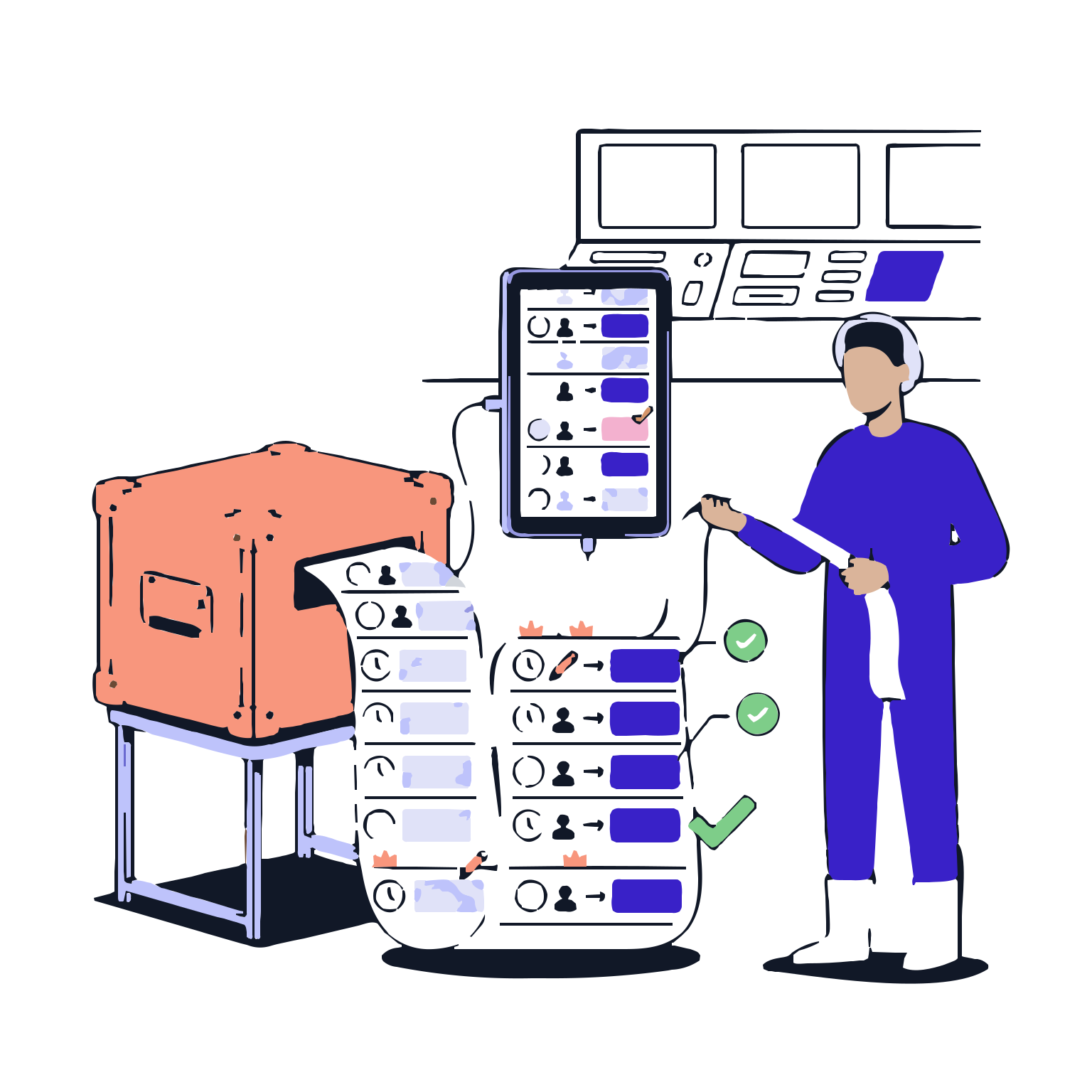
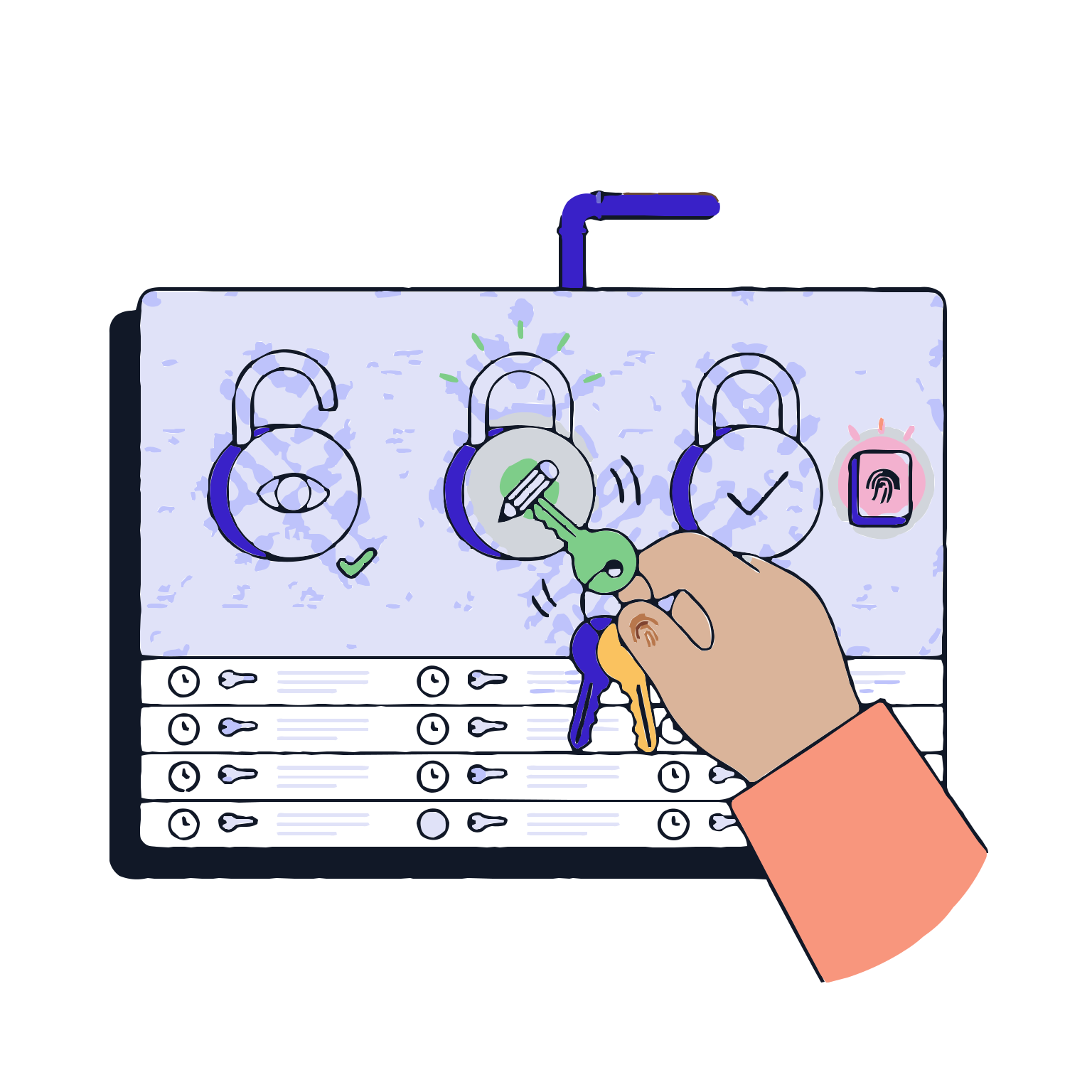
Two things are essential for the integrity of digital production records: preventing unauthorized operations and ensuring that all operations are traceable. The Electronic Signature, Authorization, and Audit Trails module controls who can perform what operations, enforces mandatory electronic signatures on critical steps, and records all significant events in the audit trail. This module allows for straightforward answers to questions like 'Who did what, when, and why?'; production and quality processes become more controllable; inspections speed up; and assurance and reliability in audits improve. Records are not only digital but also secure and traceable.

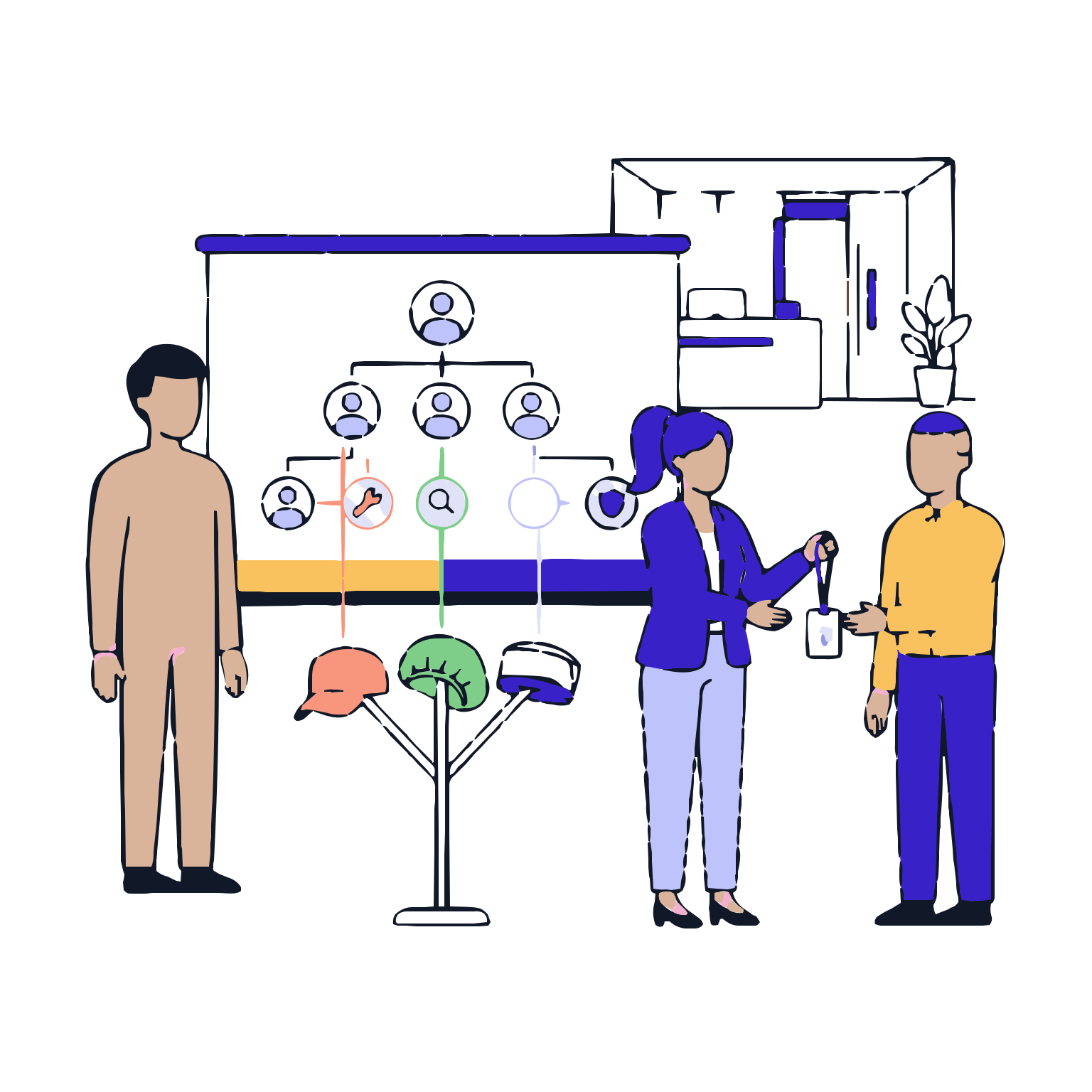
With this module, questions like 'Who did what, when, and why?' are answered without debate. Production and quality processes become more controllable; inspections speed up; and assurance and reliability in audits improve. Records are not only digital but also secure and traceable.
Request a Demo

Electronic Signatures, Authorization and Audit Trails
Electronic Signature, Authorization, and Audit Trails; user authentication and role-based access control prevent unauthorized operations. Mandatory electronic signatures are enforced at critical points; workflow approvals are recorded. Changes, updates, decisions, and significant events are stored…
User Identity and Role Management
Access Control
Electronic Signature Rules
Audit Trail Records
Inspection and Reporting
Security and Continuity
User Identity and Role Management

User Identity and Role Management

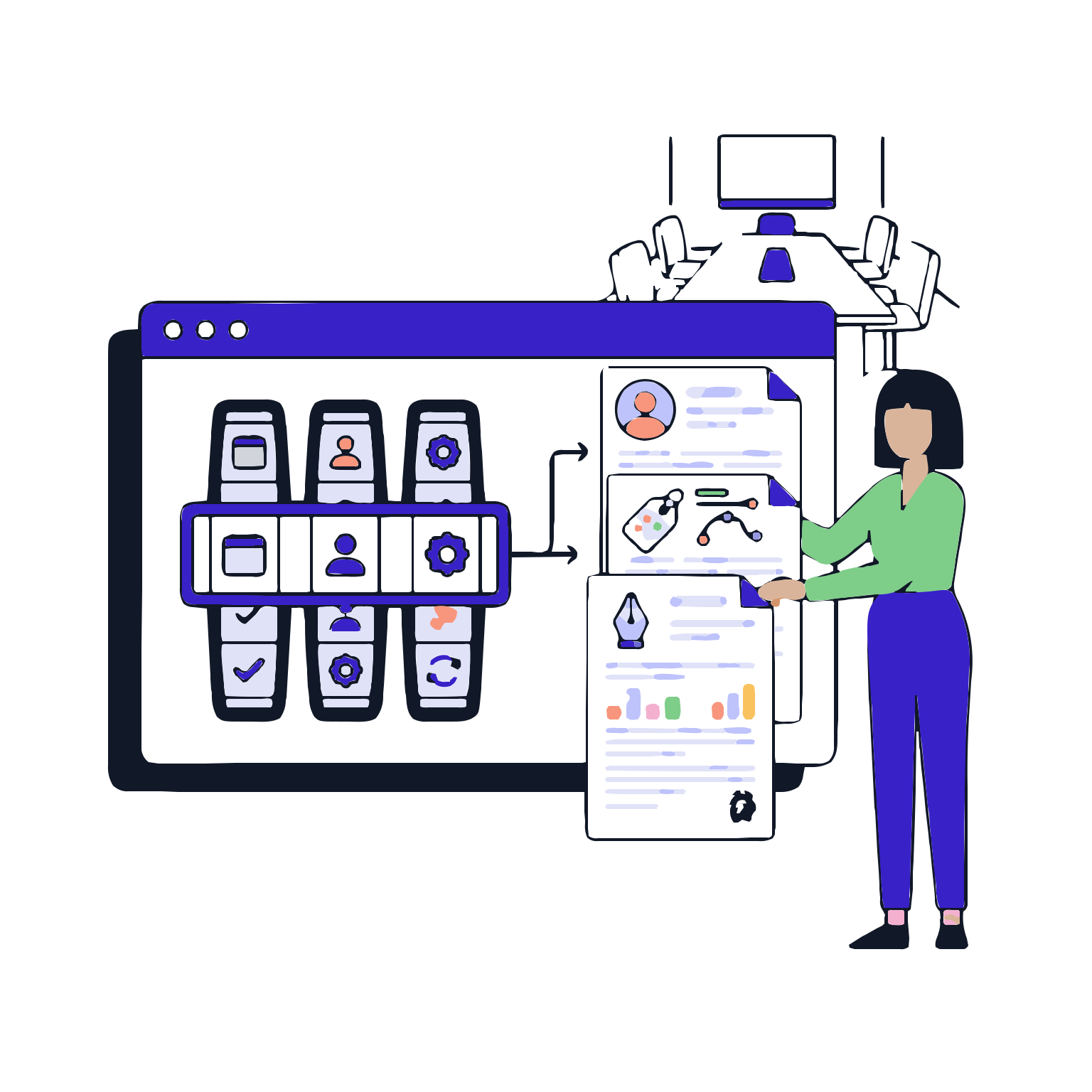
The foundational security layer of the system starts with proper user identification and role definition. At this stage, user roles and responsibilities are clarified; the scope of permissions for production and quality processes is defined.

Features

  •  User Registration and Management
  •  Role Definitions
  •  Responsibility Assignment
  •  Organizational and Shift Alignment

User Registration and Management
You create a secure start by making users manageable by role in the system.

Role Definitions
You define the scope of permissions for operators, responsible personnel, and quality reviewers by defining roles and responsibilities.

Responsibility Assignment
You define the scope of permissions for roles by defining what operations they can perform.

Organizational and Shift Alignment
You maintain continuity by creating a role structure aligned with the organizational and shift structure.

Access Control

Access Control

Authorization goes beyond 'view' to include 'execute' permissions. This step controls access to screens, record types, and critical operations; it prevents unauthorized access.

Features

  •  Role-based access control
  •  Operation-based authorization control
  •  Additional verification for critical operations
  •  Changes to authorization records

Role-based access control
You standardize security by providing access based on user roles to screens and functions.

Operation-based authorization control
You limit operations based on roles.

Additional verification for critical operations
You enhance security in high-risk operations with additional controls or second verification.

Changes to authorization records
You ensure traceability and auditability by recording authorization changes.

Electronic Signature Rules

Electronic Signature Rules

Electronic signatures are the official proof of critical steps. At this stage, it is defined which operations require signatures, who can sign, and under what conditions the signatures are valid.

Features

  •  Operations requiring signatures
  •  Types and levels of signatures
  •  Reasons and notes for signatures
  •  Second party validation and double signature

Operations requiring signatures
Require signatures for critical records and decisions to increase process integrity.

Types and levels of signatures
Use different signature types such as approval, validation, and inspection to clarify processes.

Reasons and notes for signatures
Require explanations in some signatures to strengthen the context of decisions.

Second party validation and double signature
Reduce risk in critical steps by using double signature or second party validation.

Audit Trail Records

Audit Trail Records

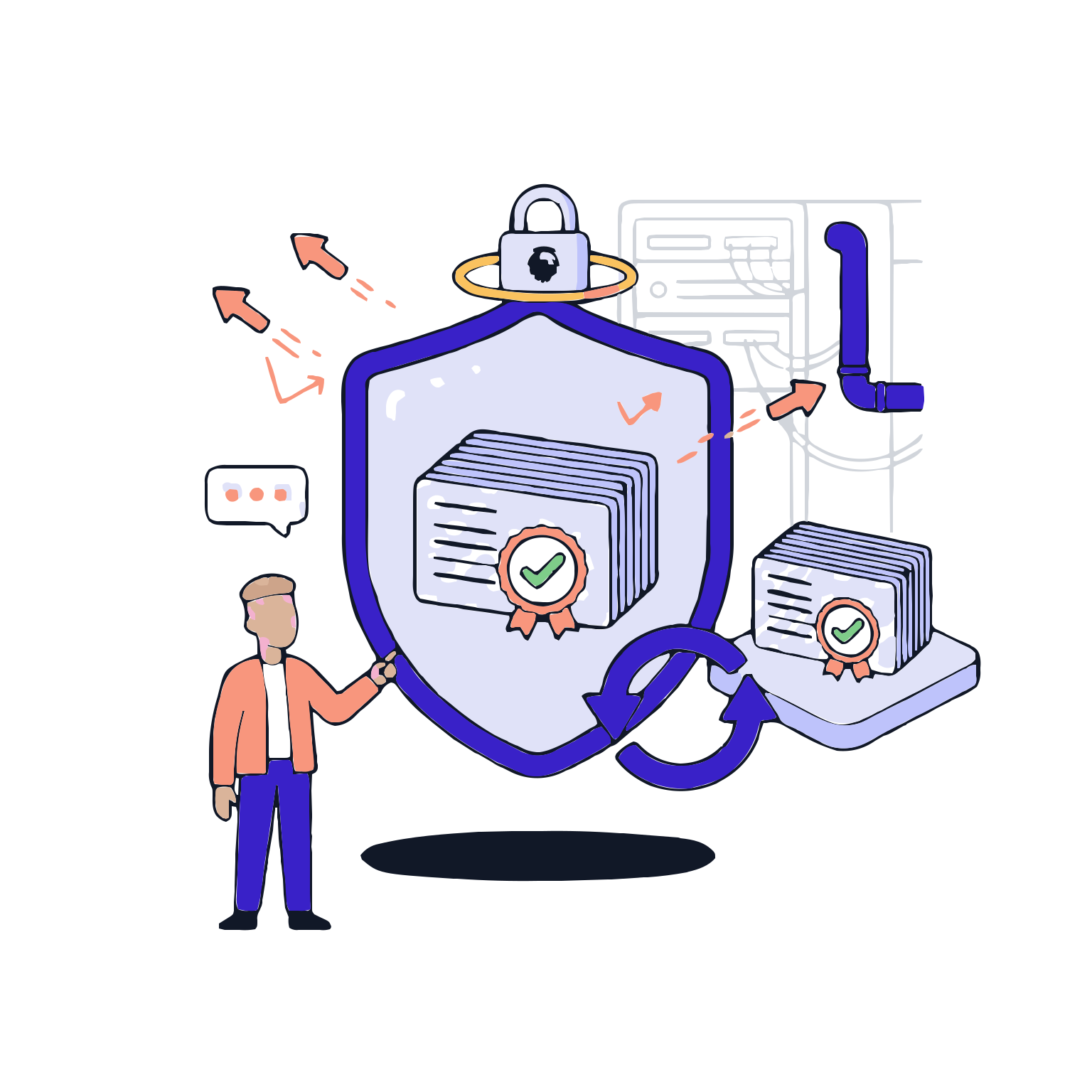
Audit trail records are the system's memory. This step captures information such as identity, time, process, old value-new value; it strengthens the consistency and traceability of records.

Features

  •  Timestamped process records
  •  Audit History
  •  Critical Event and Warning Logs
  •  Change and Approval Records

Timestamped process records
Ensures reliability by clearly documenting who performed what actions at what time.

Audit History
Captures old and new value information to make change logs transparent.

Critical Event and Warning Logs
Captures events such as exceedance limits, errors, and shutdowns to ensure visibility.

Change and Approval Records
Ensures consistency by linking approval processes and change records with audit trails.

Inspection and Reporting

Inspection and Reporting

Audit Trails produce values quickly if possible. This stage enhances audit trail records for filtering and reporting; speeds up audit preparation.

Features

  •  Filtering and searching
  •  User/user action-based reports
  •  Part and step-based reports
  •  Signature tracking report

Filtering and searching
Quick review with criteria such as date, user, and type of operation

User/user action-based reports
Reports the actions you perform to strengthen internal control

Part and step-based reports
You can see all critical operations that occur in a specific part or step in one report

Signature tracking report
Reports the identity, time, and scope of electronic signatures to simplify control

Security and Continuity

Security and Continuity

Security is not only about authorization; it also concerns continuity and loss of records. This stage enhances system security by supporting critical security settings and a non-disruptive record-keeping approach.

Features

  •  Session and access security
  •  Tracking unauthorized login attempts
  •  Maintaining data integrity
  •  Approach for continuity and recovery

Session and access security
Reduces the risk of unauthorized access through secure session management

Tracking unauthorized login attempts
Makes suspicious attempts visible; makes security events traceable

Maintaining data integrity
Prevents unauthorized changes that could disrupt the integrity of the data

Approach for continuity and recovery
Provides a controlled approach to ensure the persistence of data and system continuity