

 Türkçe
 English
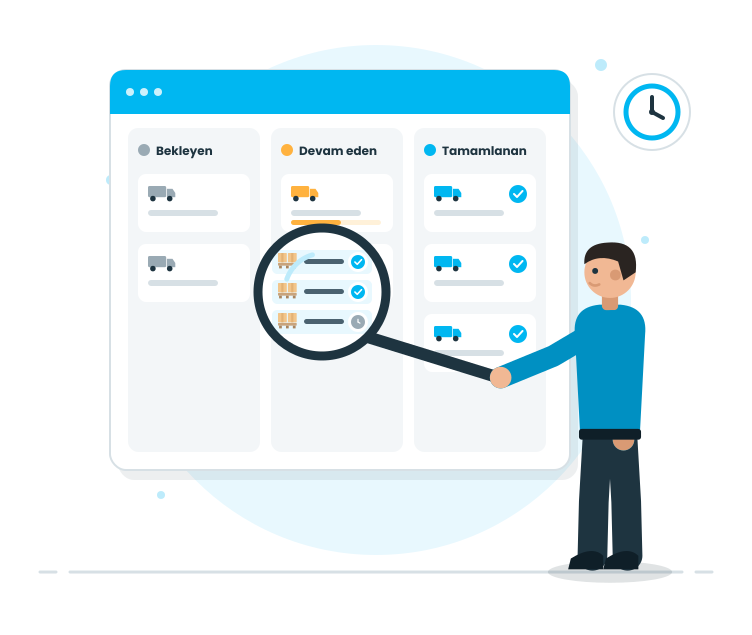
EBR (Electronic Batch Record) is a digital system that enables the electronic management of paper forms, manual records, signatures, and control steps used in production. Thanks to EBR, production recipes, raw materials used, process parameters, operator operations, quality controls, deviations, and approvals can be combined on a single digital record.
The digitalization of production records doesn't simply mean transferring paper forms to a computer. The real goal is to associate the data generated throughout production with the correct user, the correct time, the correct production batch, and the correct process step. This transforms production records into a more readable, searchable, traceable, and auditable structure.
How does EBR digitize production records?
1. Production Recipes are Digitized
The first step in digitizing production records is defining the recipes and process steps used in production on the EBR. The system records which raw materials, in what quantities, with what equipment, and in what order the product will be produced.
This structure reduces the need for operators to work with different document or outdated recipe versions. The current and approved production recipe can be directly associated with the relevant production record.
2. An electronic batch record is created.
For each new production run, a unique electronic batch record is created on the system. This record can contain information such as batch number, product name, production quantity, production date, production order, and recipe.
All data generated throughout the production process is associated with the same batch record. This way, information previously held in different forms or files is collected under a single digital record.
3. Operator Transactions are Recorded Electronically.
During production, it is possible to record which operator performed which operation. The user logs into the system with their own account and completes the assigned process steps.
The process time, user information, and the action performed can be stored by the system. Thus, the production record shows not only the result of the process but also who performed it and when.
4. Raw material usage is tracked digitally.
The product code, lot number, quantity, and usage time of raw materials used in production can be linked to electronic production records. Raw material verification can be performed in the production area using barcodes or QR codes.
The system can alert the user when the wrong material is scanned or when a different quantity than expected is processed. This reduces manual registration and material matching errors.
5. Process Parameters are Recorded Electronically.
Production parameters such as temperature, pressure, time, speed, pH, humidity, weight, or mixing time can be directly recorded on the EBR. These values can be entered manually or, with appropriate integrations, automatically retrieved from production equipment.
The system can monitor process values thanks to the defined lower and upper limits. When a value outside the limits occurs, a warning, additional confirmation, or deviation process can be initiated.
How to Ensure Control and Traceability in Digital Production Records?
6. Quality Control Records are Linked to Production
Intermediate checks and quality control checks performed during production can be included in the electronic batch record. Weight control, visual inspection, sampling, or process control results can be associated with the relevant production step.
Quality teams can review these records through the system. This creates a common record chain for production data and quality results, instead of keeping them in separate documents.
7. Electronic Approval and Signature Processes are Used
Physical signatures used on paper production forms can be managed via electronic approval mechanisms on the EBR. Operators, production managers, quality control or quality assurance users can approve specific processes according to their authority.
The system can record who gave the electronic approval and when. This makes the approval processes for production records more visible and traceable.
8. Changes are tracked with Audit Trail
The history of critical changes made to digital production records should be traceable. Using an audit trail structure in EBR systems, it is possible to record when a record was created, who modified it, and what action was taken.
This feature allows for the examination of how a past production record has been altered and supports data integrity requirements.
9. Deviation and Non-conformity Records are Digitized
When a deviation from the planned process occurs during production, a record of the deviation or nonconformity can be created electronically. Situations such as out-of-limit process values, incomplete control, equipment problems, or incorrect material handling can be directly associated with the relevant batch.
With QMS integration, these records can be transferred to the quality management system. This allows root cause analysis, corrective actions, and CAPA processes to be managed without separating them from the production record.
10. Production Records Are Reviewed and Archived Electronically.
Once production is complete, quality control teams can review the entire production history via the electronic batch record. Missing areas, incomplete approvals, obvious deviations, and critical process values can be viewed through the system.
Once the review is complete, the production record can be archived electronically. Past production records can be accessed more quickly by batch number, date, product, or production order.
What does the digitalization of production records mean?
The digitalization of production records involves creating, controlling, approving, and storing production data on electronic systems, replacing paper forms, manual signatures, and physical archives. The goal is not only to eliminate paper but also to make records more controlled and traceable.
Could EBR replace paper production forms?
A properly structured EBR system can digitize many paper forms used in production processes. However, the transition must take into account the organization's quality system, validation requirements, electronic record policies, and relevant legislation.
How to Support Data Integrity in Production Records with EBR?
User authorization, electronic approval, timestamps, audit trails, mandatory data fields, and controlled change management are fundamental components of data integrity. EBR helps keep data more reliable and traceable by integrating these controls into the production process.
Can EBR reduce manual data entry?
Yes. Thanks to integrations with barcode readers, weighing systems, production equipment, ERP, WMS, and other systems, some data can be automatically transferred to EBR. This reduces the risk of manually entering the same information multiple times and the associated errors.
How can digital production records facilitate audit processes?
During audits, past batch records, electronic approvals, process values, deviations, and transaction history can be accessed through a single system. This structure reduces the need to search for documents in physical files and helps in faster review of records.
Can EBR support GMP processes?
EBR can support GMP processes with features such as controlled production record keeping, user operation monitoring, electronic approvals, and change history recording. However, system usage alone does not mean GMP compliance. Process design, validation, user training, and quality system management must also be appropriately managed.
Which systems can EBR integrate with?
EBR can integrate with systems such as ERP, WMS, LIMS, and QMS. Production orders from ERP, raw material and lot information from WMS, laboratory results from LIMS, and quality records from QMS can be linked to EBR processes.
What are the benefits of digitizing production records for a business?
Digital production records help reduce manual recording errors, strengthen production traceability, shorten batch review times, decrease the need for physical archives, and enable quality teams to access up-to-date production data more quickly.
Conclusion
Digitalizing production records with EBR enables the management of recipes, raw material usage, operator operations, process parameters, quality controls, deviations, and electronic approvals under a single production record. This creates a centralized and traceable system instead of a paper-based and fragmented record structure.
For businesses that produce in batches and where record-keeping is critical, EBR is a fundamental component of production digitalization. Collecting production data electronically enables quality and operations teams to work with the same up-to-date information.
To learn more about Centra's Electronic Batch Record (EBR) solution, you can review the EBR solution page or contact us via the information request form.
