

 Türkçe
 English
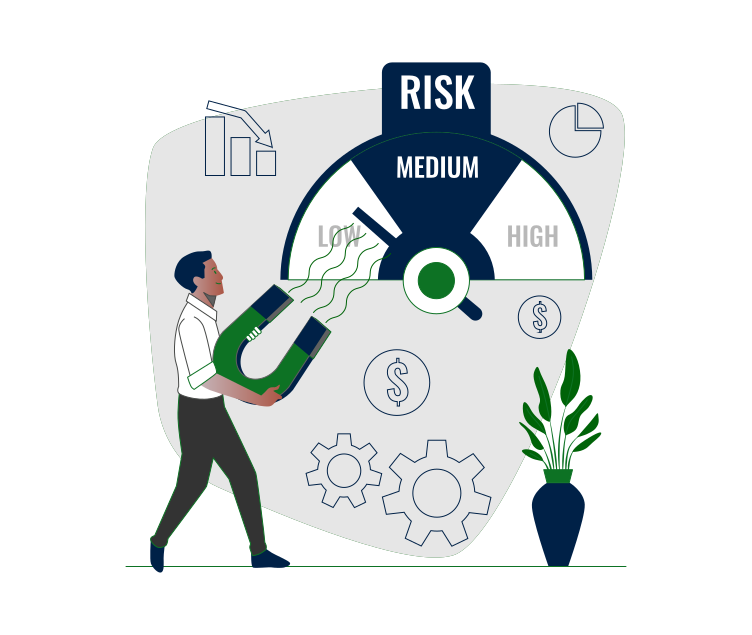
QMS (Quality Management System) is a digital framework that enables businesses to manage their quality processes in a planned, traceable, and controlled manner. Internal audit management is also a key component of QMS. All processes, from creating audit schedules and assigning auditors to checklists and tracking findings and actions, can be planned through the system.
The purpose of internal auditing is not only to identify deficiencies or errors in practices. Evaluating whether processes are being carried out in accordance with defined procedures, standards, and internal requirements, identifying areas for improvement, and reviewing the effectiveness of the quality system are also among the fundamental objectives of internal auditing. QMS helps manage this process under a standardized structure, moving it away from personal calendars and scattered files.
How to Plan an Internal Audit with QMS?
1. An Annual Internal Audit Program is created.
The first step in the internal audit process is creating an annual or periodic audit schedule. Which departments, processes, or areas of activity will be audited and when can be planned on the QMS (Quality Management System).
The frequency of audits can be determined based on the importance of the processes, past findings, risk level, and the organization's quality requirements. Thus, critical processes can be audited more frequently, while low-risk areas can be audited at longer intervals.
2. The Scope and Purpose of the Audit are Determined.
The scope of each internal audit must be clearly defined. The audit may cover a specific department, production process, laboratory activity, document management, or a particular part of the quality system.
The purpose, scope, relevant procedures, standard clauses, and evaluation criteria of the audit can be recorded on the QMS. This allows the audit team to know in advance which areas to examine.
3. Risk-Based Audit Priorities are Determined.
In internal audit planning, not all processes need to be evaluated at the same level of importance. Critical production steps, processes with frequent nonconformities, or areas where high-risk findings have been identified in previous audits can be prioritized.
Risk records, CAPAs (Calculation on Complaints), client complaints, and past audit findings within the QMS can be used to create a new audit plan. This allows audit resources to be directed to the most critical areas.
4. Auditors and Audit Team are Appointed
A responsible auditor or audit team is assigned for each audit. The lead auditor, team members, and owners of the processes to be audited can be assigned to the system within QMS.
In appointing auditors, criteria such as competence, experience, and independence may be considered. The fact that the auditor does not directly evaluate the process under their own responsibility is an important practice that supports impartiality.
5. Internal Audit Checklists are Prepared.
Questions and checkpoints to be evaluated during the audit can be prepared as digital checklists on QMS. Checklists can be customized according to department, process, standard, or audit type.
In addition to the questions, there may be sections for evaluation criteria, explanation areas, and evidence submission. Critical issues identified in previous audits can be added to the new checklists for reassessment.
How to Manage Internal Audit Findings and Actions?
6. Findings are recorded digitally during the audit.
Nonconformities, observations, or improvement opportunities identified during the audit can be directly recorded in the QMS. The description of the finding, the relevant process, evidence, significance, and responsible unit can all be kept in the same record.
This structure reduces the need to re-enter paper notes into the system after the audit. Findings are directly linked to the relevant audit record.
7. Audit Findings are Classified
Not all findings may be at the same level. On QMS, findings can be classified into categories such as critical, major, minor, observation, or opportunity for improvement.
This classification helps prioritize actions. Shorter target timelines and additional approval mechanisms can be defined for high-risk findings.
8. Corrective actions and CAPA processes are initiated.
Corrective actions can be created for findings revealed during internal audits. The description of the action, the responsible user, the target date, and the expected result can be defined in QMS.
Critical or recurring findings can be referred to the CAPA process when necessary. This allows root cause analysis, corrective action, and effectiveness control to be carried out in conjunction with the audit record.
9. Completion of Audit Actions is Monitored
On QMS, audit actions can be tracked as open, ongoing, overdue, or completed. Actions nearing or past their target date can be made visible to users and administrators.
This structure reduces the need to manage post-audit actions solely through email or personal watchlists. Clear findings can be monitored through a centralized system.
10. The audit is closed and the results are evaluated.
Once the necessary actions have been completed and the findings have been appropriately evaluated, the internal audit can be initiated for closing. The authorized user can review the audit report, findings, and the status of actions and approve the closing.
The closing date, approving user, and final evaluation can be recorded in the system. Audit results can be used in management review and continuous improvement efforts.
What is Internal Auditing?
Internal auditing is a control activity in which a company systematically evaluates its own processes, procedures, and quality practices. The aim is to examine whether processes conform to specified requirements and to assess the effectiveness of the quality system.
How to Create an Internal Audit Schedule with QMS?
The processes to be audited, planned dates, audit frequency, auditors, and scope can be defined on QMS. Thanks to the annual audit calendar, upcoming and completed audits can be tracked centrally.
How is the frequency of internal audits determined?
Audit frequency can be determined based on process risk, past nonconformities, CAPA count, regulatory requirements, and the company's internal quality policies. More frequent audits of high-risk processes may be preferred.
What is an Internal Audit Checklist?
An internal audit checklist is a tool that maintains a standardized structure of questions and criteria to be evaluated during an audit. Checklists can be prepared according to process, department, or standard and linked to audit records.
How are audit findings classified?
Findings can be categorized according to the company's quality system as critical, major, minor, observational, or improvement opportunity. Classification helps determine the risk level of the finding and the priority of the necessary action.
Can internal audit findings be converted into CAPA data?
Yes. Particularly high-risk, systematic, or recurring findings can be transferred to the CAPA process. In this case, root cause analysis, corrective actions, and effectiveness checks are linked to the audit findings.
How to Support Auditor Independence with QMS?
Auditor assignments can be made considering user roles and process responsibilities. Preventing auditors from being assigned to audits of processes for which they are directly responsible supports the impartiality of internal audits.
How does QMS report internal audit results?
The scope of the audit, auditors, findings, severity levels, outstanding actions, and closing status can be reported. Periodic reports can analyze which departments had more findings and which actions were delayed.
Which systems can QMS integrate with?
QMS can integrate with systems such as LIMS, EBR, WMS, and ERP. Findings from laboratory processes can be linked to LIMS, production deviations to EBR, warehouse discrepancies to WMS, and operational records to ERP.
What are the benefits of QMS and Internal Audit Management for a business?
QMS-based internal audit management makes the audit calendar visible, standardizes checklists, prevents findings from being lost, associates actions with those responsible, and makes closing processes more traceable. It also facilitates the comparison of past audit data.
Conclusion
With QMS, the internal audit process can be managed digitally at every stage, from annual planning and scope definition to auditor assignment, findings management, corrective actions, and closing. This transforms audits from individual monitoring into a standardized and traceable quality process.
Linking internal audit records to other quality processes such as risk, nonconformity, CAPA, and document management helps the organization evaluate its quality system more holistically. Regular and data-driven internal audit management is a crucial tool not only for identifying nonconformities but also for determining areas for continuous improvement.
To learn more about Centra solutions, you can contact us through the information request form.
